

by Ben Gilby (10/12/24)
Above: ParaMatildas goalkeeper Katelyn Smith (violet coloured shirt) shows off her IFCP World Cup winning medal. Photo: Mark Avellino. Supplied to Impetus by: Football Australia.
Katelyn Smith had the ultimate World Cup Final experience for the ParaMatildas. Her team went 2-0 down to the USA within six minutes, but the goalkeeper grabbed the game by the scruff of the neck, scoring a hat-trick as the team came back to win 6-2. An experience she describes as “exhilarating.”
“I definitely had a lot of thoughts and emotions during the final,” she told me.
“There’s no one real thought that comes to mind except that it was exhilarating. It was a crazy final. There were so many ups and downs, there were so many twists and turns. There was 2-0 losing in six minutes to coming back and winning 6-2, scoring a hat-trick, so my thoughts on the final are ‘We bloody did it!’ but, man it was a rollercoaster to get there!”
Smith felt confident in her side’s ability to gain victory in that Final. Not only were they spurred on by the achievement of winning the Asia-Oceania Cup Final in November 2023, but there was the determination to erase memories of their 2022 World Cup Final defeat to the same side.
“We start games very fast, nervous, and intense. We’d been at a (World Cup) Final before and lost, so for us it was about relaxing into the game, getting the flow of the game going, and once we got that, there was nothing stopping us. We dug deep and no matter what happened in the final, we were making history, we were super proud to be there. Once we got relaxed into the game, we got the flow going, we got passes going, and we did really well.”

Whilst the fact that the Western Australia-based goalkeeper scored the three goals that put the team 3-2 up is staggering to some, those who are regular ParaMatildas watchers knew that this was just the player doing what she does, and the team showing the belief that courses through their veins.
“I don’t think I’m a hero. Anyone would have done what I did in the situation to help the team out. Yes, I scored three goals to put us 3-2 in front, but I really do believe that anyone in this team would have done the same in the situation.
“Everyone knows I can do a long-range shot, I’ve done it plenty of times before. In the previous World Cup, I think I scored three goals from long-range. I think for me now, I’ve learned to be more unpredictable.
“I’ve learned to not show so much in body shape and body positioning what I’m going to do, so whether that’s changing up my game -randomly going long, playing it short, doing a throw, or quick one-twos with the defenders and then going long. I’ve worked really hard on my footwork and my skill to be able to do a long ball with accuracy now.
“I love that part of the game. I was a striker before I turned goalkeeper, so me shooting and aiming is not something I’m not used to. It is something I’ve worked really hard on over the last 12 months to get back into and find that goalscoring knack again, I suppose.”
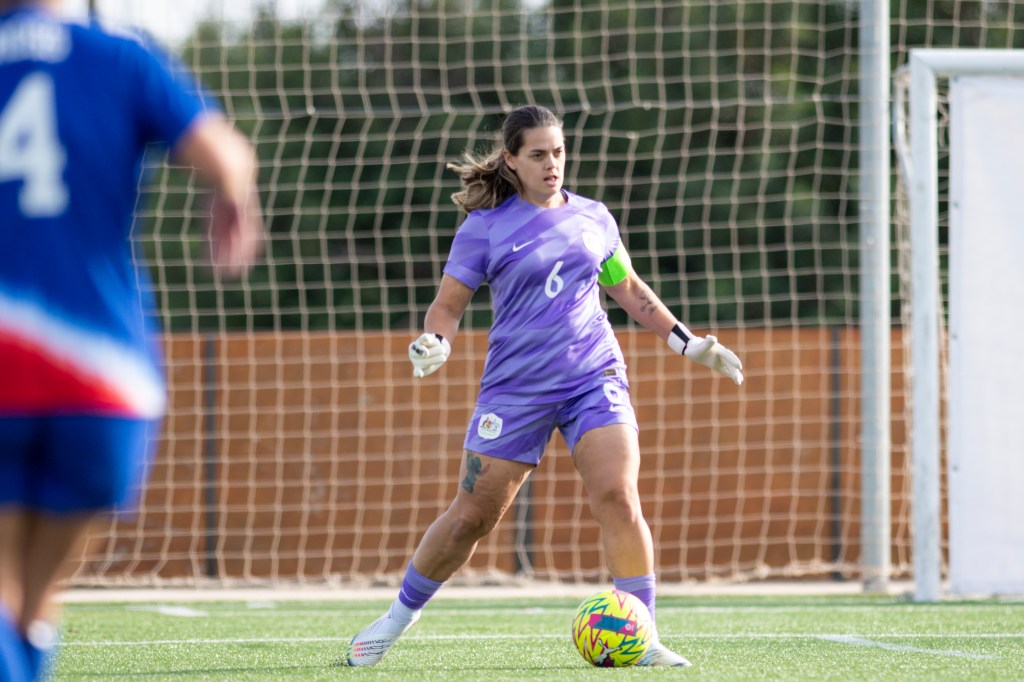
Smith’s hat-trick consisted of that long-range strike and two penalties. She has plenty of experience in converting from the spot, which set her up to succeed in the World Cup Final.
“With dot shots (penalties), Kelly (Stirton, head coach) has said I’ve got them. I think I have the power and the placement for over 20 years now, so with dot shots, it’s nothing that I’m not used to. Obviously, it’s a smaller goal, but I like dot shots, I like scoring!”
The ParaMatildas have now been in existence for two and a half years, and Smith has been part of the ride from from the start. It’s been a story of growth, both collectively and individually. A growth that has been thrilling for the goalkeeper to be part of.
“It’s been a crazy two and a half years. We’ve progressed so much. We started off with 13 players for selection for the first World Cup in 2022 to now with 20-odd players that we can pick from. So there’s definitely been more depth to the squad, and most of the girls have been together in camp over the last 12 months.
“We’ve really bonded. I’ve found my best friends in the team. We connect really, really well. I think the relationships that we’ve built off the field in strong friendships have really portrayed on to the field, and you can really see that where we’re really in sync now. We really know what needs to be done.
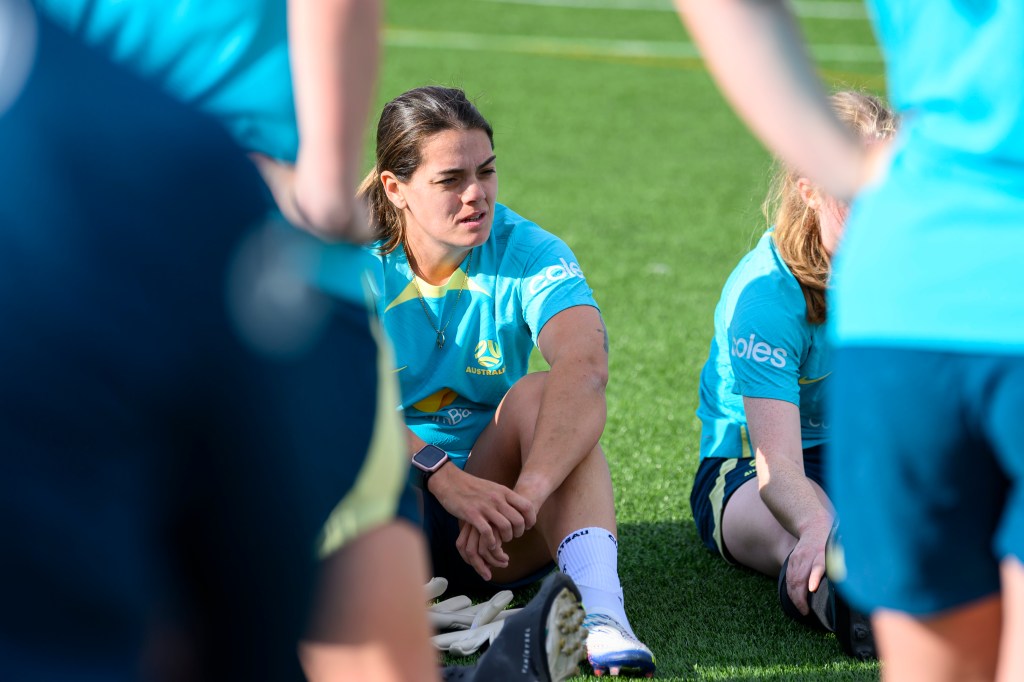
“We’ve also become a lot more hungrier for wins and I think, for us, we all love football so we’re all very driven in the sport we’re in, and we’re work very hard. We hold ourselves to higher standards. We have a never give up attitude, and we always want to better ourselves to be the best possible people we can be on and off the field, and I think that really helps.”
As well as being a successful footballer, the goalkeeper has significant experience in Athletics – a field that she believes has played a major part in making her the ParaMatildas star she now is.
“I did do Athletics in the middle of my football career. I started football when I was five-years-old and due to medical reasons, couldn’t keep up with the demand of football. I was an outfield player until I got medically sick and found it very hard to play outfield, so I diverted to playing as a goalkeeper.
“I did Athletics in those years that I couldn’t be as active on the (football) field, and I think that really helped me along – being in a high-pressure environment, being around a lot of noisy people when competing…so I’ve learned how to keep calm and deal with one thing at a time and process one thing in my brain.
“With Athletics, I am a thrower, so you have six opportunities to do your best, so you have to make the most of them. In football, you only need one opportunity – you only need one goal to win a game.
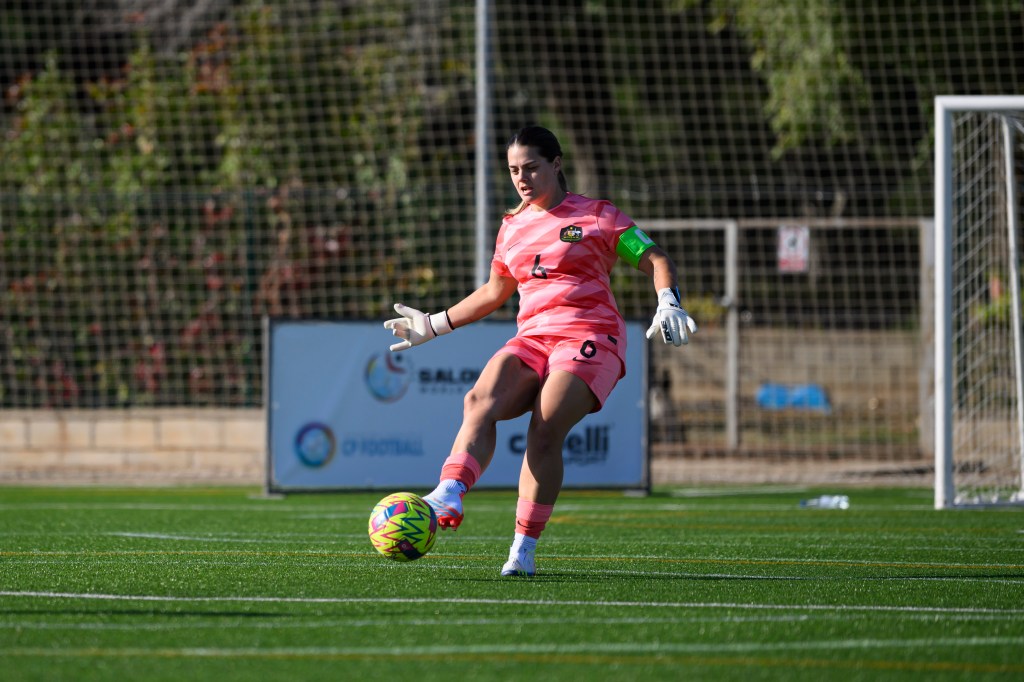
“I referee soccer during the winter season. I’ve just picked up Futsul during the summer season. I do national Futsul and Athletics during the summer. Athletics is more of a fun sport for me where I can go out in the summer and chillax – not worry about results and just go there where I can see friends I only see once a year.
Whilst the ParaMatildas players have a close bond that has gone a long way to assist their incredible achievements in such a short period of time, Smith outlines the huge influence that head coach Kelly Stirton has had on the squad.
“Kelly – what can I say about her? I think she’s great. She’s the best coach I’ve ever had. She has a great personality. She’s funny, she gives a good laugh, she knows how to be serious. It’s great to see both sides of a coach like that.
“She definitely wants the best out of all the girls on the team. Not just those on the team – every girl in the program. She thinks we deserve everything and more. To have a great coach like that advocate for us and really push us to our potential is a great thing to have.”
Smith also recognises the huge importance of giving back to the game now that she is a both a World champion and an Asia-Oceania champion. She does so with an outstanding organisation based in Western Australia – Football Futures (www.footballfutures.org.au).
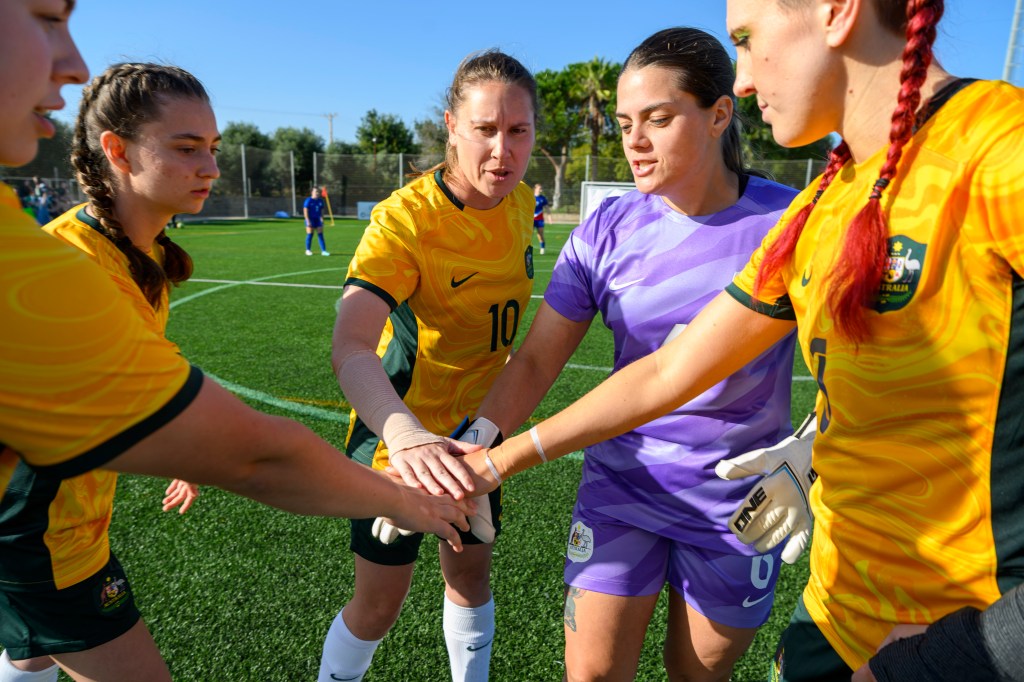
“Our program is about promoting adult and youth disability football as well as and refugees, people immigrating to Australia leaving war-torn countries. It’s for anyone who wants to give sport a go.
“We do before-school activities, after-school activities, and support unit education programs. It’s about getting them involved and getting them doing things that normally they wouldn’t do in a mainstream environment where they feel comfortable doing it. We’re very inclusive. We have people who are vision impaired, deaf, intellectually delayed, autism, people in wheelchairs. We help anyone. It’s a great job to be part of.
“It’s very rewarding seeing kids who would normally disassociate group settings being very involved and joining our I-League (inclusive football league in WA) at the weekend.”
The achievements of Smith and her teammates mean that they are inspiring the next generation of girls – allowing them to see that anything is possible. It’s a status that she is very aware of, and puts huge importance on it.
“For us as ParaMatildas, I think what we need to do on the achievements we have is to build. Go back home and get more girls involved. Get them asking questions of their clubs and hopefully getting more development camps happening within Australia – getting the young girls coming through and knowing it’s alright to play football.
“Winning isn’t everything – for us it’s to keep the legacy going. Getting more and more girls involved, and younger girls – lead the next generation of seven and eight-year-olds in five or six years’ time – being able to go to a World Cup and get Australia’s support behind them.
“Any girls out there with cerebral palsy or acquired brain injury, just get out there. You never know if you’re going to like something until you try it. We’ve built the foundations for you guys to come and explore our world and what we do. Continue it on for us.
“If you’re wanting to try soccer, just come down. New South Wales has training days, Western Australia have training days. When you register for football, tick that you have disability because then each state knows and we can reach out to you. Go to the ParaMatildas website (www.paramatildas.com.au) and fling them an email. Just inquire, just get out there, give it a go, you’ll love it. We’re a very welcoming family.”
This is the first in Impetus‘ four-part series of exclusive interviews with the ParaMatildas’ World Cup winners. Keep an eye out on the site in the coming days to catch all of these special features.
Follow Impetus on social media –
Twitter (X): @impetusfootball TikTok: @impetusfootball
Instagram: @impetusfootball : @impetusfootball
 impetusfootball.org