

by Isabelle Campbell (29/5/25)
Above: Tom Sermanni. Photo: Football Australia.
Just 24 hours after the A-League Women was named the ‘Best League in Asia’, Matildas interim head coach Tom Sermanni has launched a scathing critique of the competition, calling for urgent structural changes and greater investment in professionalism.
“We started the A-League Women, or the W-League, as it was in those days, in 2008. One of the two or three things that was important was to give more players opportunities to play against national team players and to get opportunities in the national team.”
“And at that time, our league was the forefront of women’s leagues, to be perfectly honest. It’s still very important, and coaches, staff and players are doing exceptionally well. But the league itself is in need of significant improvement in its professionalism.”
Sermanni singled out just three clubs, Melbourne City, Melbourne Victory, and Wellington Phoenix, as being frontrunners in the league, saying, “The rest of the clubs are completely inadequately staffed. That’s a starting point.”
He also drew stark contrasts with brand new Canadian league, the Northern Super League, in just its maiden season, suggesting Australia is being outpaced in terms of salaries and infrastructure.
“Players get 35-week contracts now (in the A-League Women). A league has just started in Canada, football-wise, we’re well in advance of Canada, where the base salary is twice what our basic salary is, where there’s full-time staff, full-time players.
“And we are still trying to produce players when we have a space of three months where the club has got no contact, no control, no reference point for the players, to actually keep them and know what’s happening.
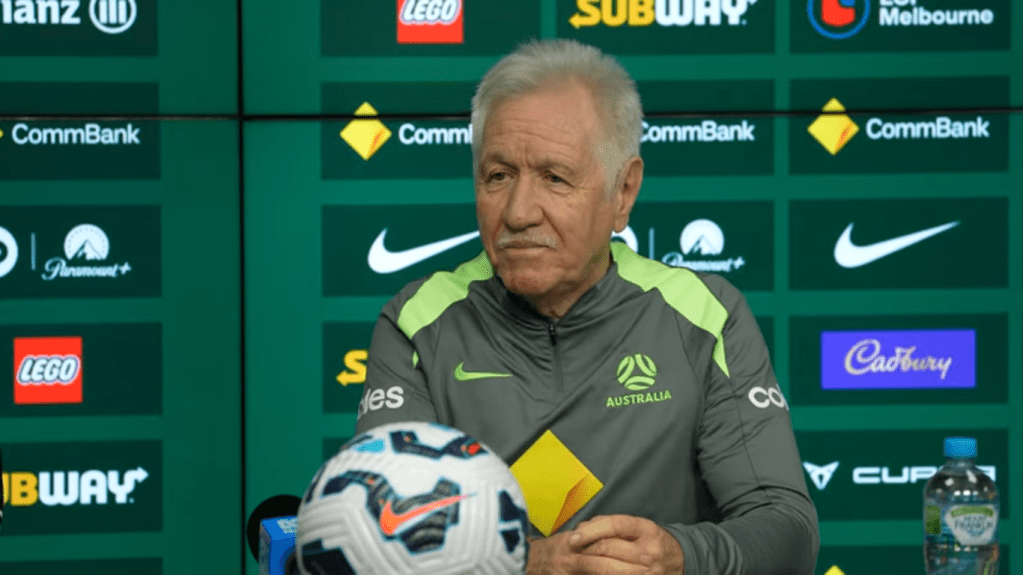
“We really need to have, at A-League level, a real rethink.”
Tom Sermanni, Matildas interim head coach.
Sermanni said that despite the league existing for 17 years, progress has stalled.
“When we started the league, and the coaches came from our institute programs, we had full-time coaches and more full-time staff than we have now, 17 years in.”
“The A-League separated five years ago, and what we have done since then is we’ve got home and away, which is an improvement, but we are still grossly under-invested in the women’s game here.
“I don’t know if there’s a thought process going forward about where they want to take the league or what they want to do. But there’s a huge amount of work that actually needs to be done.”
“It’s even more irritating when you think how we had the most successful World Cup ever two years ago, and A-League Women are in the situation that they’re in now, it’s just not good enough.”
Matildas defender Charli Grant, who now plays for Tottenham Hotspur after starting her career in the A-League with Adelaide United, echoed Sermanni’s concerns.
“I think seeing the resources there (at Tottenham) compared to Australia was very mind-blowing, to be honest. Seeing things like that does give that drive where you want Australia to be better and push for those facilities, those resources, because having them there every day at Tottenham, it helps you become a better player.
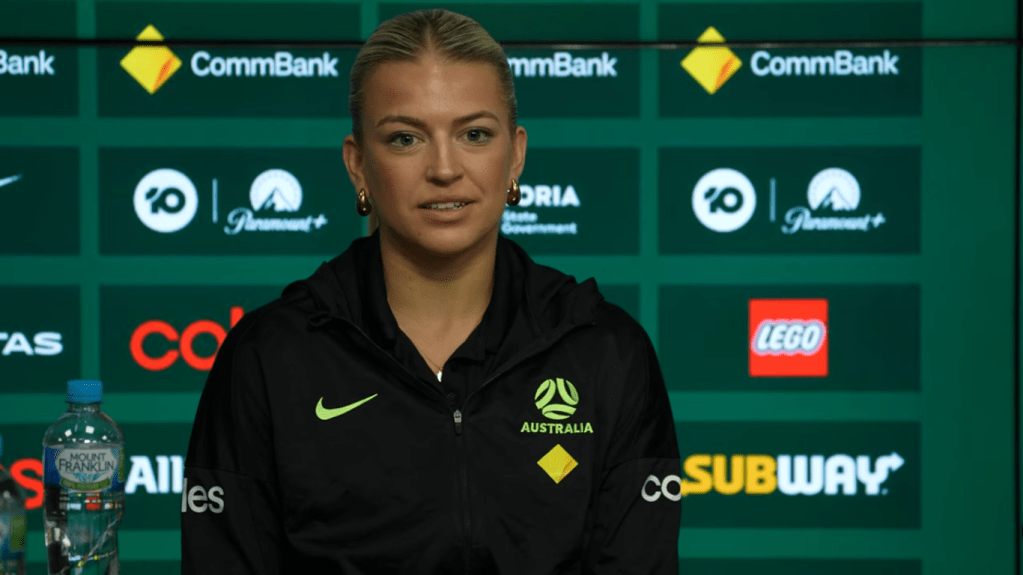
“Having so many different people that you can go to for different areas of the game, and you can only imagine what that’d do for Australia if they were given the same resources.”
The financial gap is striking. While the NSL boasts a minimum salary of $56,000 AUD and a $1.8 million AUD salary cap, the A-League Women has a salary cap of just $600,000 AUD. In a recent survey, 59% of players cited low wages as the most likely reason they would leave the sport early. Over 60% of players work outside of football to support themselves financially.
Beau Busch, Chief Executive of Professional Footballers Australia, spoke on the issues Sermanni raised:
“The players are crystal clear: the ALW must relaunch as a fully professional competition by the 2026/27 season. We must capitalise on the momentum of the AFC Women’s Asian Cup, elevate the match day experience, both in-stadium and on broadcast, and invest in stronger club environments.”
Beau Busch, Chief Executive, Professional Footballers Australia.
“Setting that as our target and achieving it will prevent us falling further behind as global standards continue to rise at pace.”
The future of the A-League Women rests on addressing these pressing concerns. With calls for greater investment and professionalism growing louder, the league now faces a critical moment to shape its next chapter.
Follow Impetus on social media –
Twitter (X): @impetusfootball TikTok: @impetusfootball
Instagram: @impetusfootball
 impetusfootball.org