
By Catherine MacKenzie (6/11/25)
Above: Afghan Women United huddle. Photo: FIFA.
Sometimes football is more than a game. There is a power in team sports that cannot be replicated elsewhere: it brings people together, and success only comes for the teams that work together as one. Football also has the power to make a statement: it transcends borders and languages, and can bring attention to important issues in ways that few other platforms can.
Whether it’s through protests on the field, powerful messages on the back of shirts, or players using their platforms to promote issues that are meaningful to them, football has a unique ability to spotlight global humanitatian issues on a large scale. Afghan Women United player Nilab Mohammadi has said that football is “not just a sport — it represents life and hope”.
Earlier this autumn, Impetus Football reported on the FIFA Unites: Women’s Series tournament ahead of its commencement in October. Whilst the tournament in that iteration did not go ahead due to the United Arab Emirates rejecting visas for the Afghan team, the games were instead played in Morocco, with the Tunisian national team taking the UAE’s place in the competition. They were joined by Chad and Libya to round out the tournament.
As we reported then, the aim of the tournament was to provide a platform: the Afghan Women United players aspire for FIFA to officially recognise them as Afghanistan’s national women’s team – which would enable them to compete in sanctioned international competitions. Chosen following three summer trials held in Australia and England, the players representing Afghan Women United came together quickly under the guidance of Scotland’s Pauline Hamill and South Africa’s Shilene Booysen.
More than a game: Afghan Women United
When Afghan Women took to the pitch on the 26th of October, the air felt heavy – and not just because of the dewy Moroccan weather. With Chad their opponents, the game marked the team’s first outing in four years – it meant far more than a normal game of football. It represented a statement of solidarity and fight against oppression; their footsteps on the grass something nobody took for granted.
“Everyone was telling me, ‘We won’t get it,'” defender Mursal Sadat told USA Today about their fight for an Afghan team. “But I said, ‘We will still fight this fight, because it’s not about us, it’s about all the women in our country. It’s about being a voice for them.”
Reflecting on the occasion, captain Fatima Haidari said there was “a real mix of emotions” among the team. “I cried because we are back after many years, after all the moments that we suffered out of Afghanistan, far from our families … but we are still here,” said Haidari. “We are fighting, and we had that spirit to be together and to strongly go ahead and just play the match.”
That opening moment on October 26th was followed swiftly by the tournament’s opening goal – an electric moment for Haidari and her team as striker Manozh Noori smashed a penalty calmly into the center of the net. Although Chad eventually ran out 6-1 winners, the jubilation of that moment was clear as the bench erupted with celebrations from players and staff.
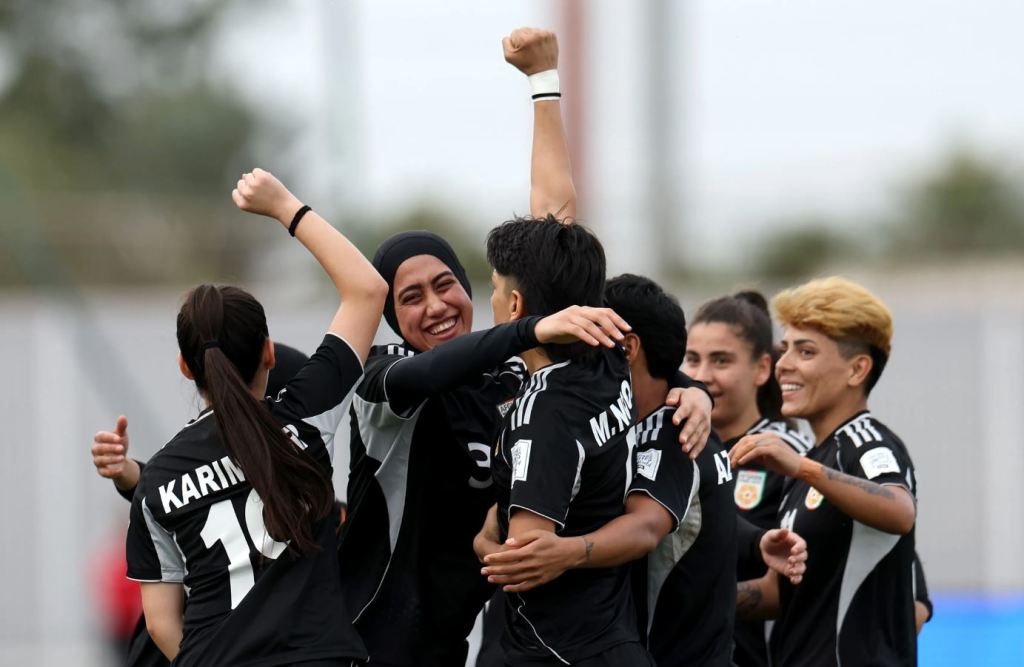
This was followed by a 4-0 loss to Tunisia, before a resounding 7-0 victory against Libya that saw Nazia Ali and Nilab Mohammadi each score a brace. Although the tournament was about far more than football for the Afghan team, their performance against Libya was one to be proud of.
FIFA President Gianni Infantino attended their final match, commenting that the tournament would mark “the beginning of a beautiful, beautiful story that you are writing for yourselves, for your families, for so many girls and women all over the world.”
Chad set the standard
Following the round-robin, Chad emerged victorious, with three wins from three. They scored 23 goals whilst conceding only one, beating Libya 16-0, Afghan Women 6-1, and Tunisia 1-0 despite a red card on the hour mark. This means they will make a first appearance in the official world rankings, alongside Libya.
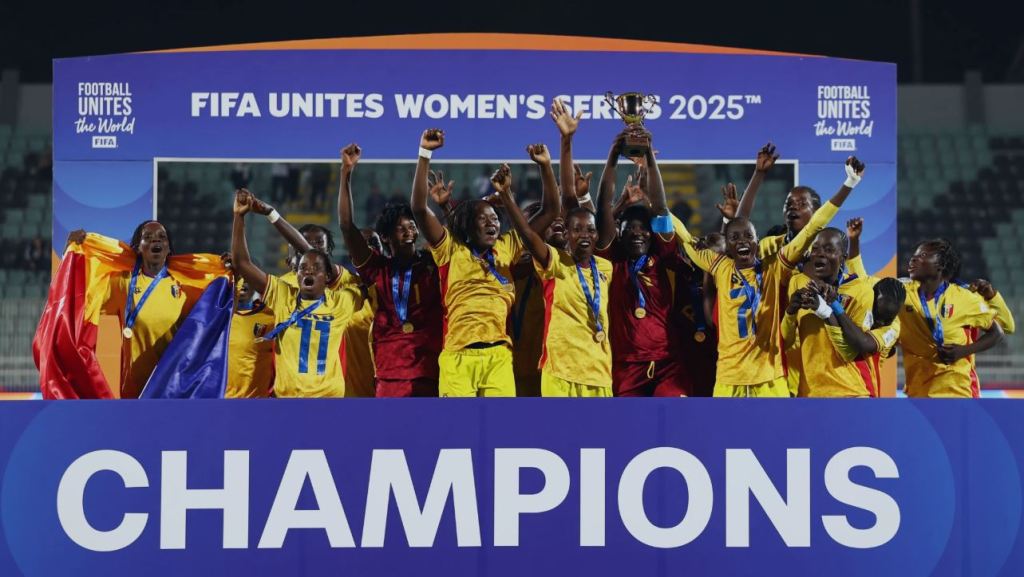
Perhaps unlikely champions, Chad set a high standard beginning with the opening-day win over Afghan Women, though it was their final match against Tunisia that showed their mettle.
On paper, the 1-0 win is surprising: Tunisia are ranked 96th in the FIFA World Rankings, and participated in both the 2022 and 2024 Women’s Africa Cup of Nations. Unranked, that Chad achieved the result whilst down to ten players for over half an hour was even more remarkable.
Next steps: progress and unity
Whenever a step like this is taken, there is a danger that those in positions of the power to enact change will see it as ‘job done’. If this happens – even temporarily – there is a serious chance that the developments made over the months leading up to the tournament will have been in vain.
Afghan activist and former player Khalida Popal has called on organising bodies to grant Afghan Women United recognition as a national team and an independent national soccer federation “to actually govern the teams, to make sure girls are not silenced.”
“Our players have been fighting for that right for so long,” Popal said. “Of course, there’s not governance in this initiative and the pilot, but we would love to have it in the future.”
For Afghan Women United, the experience of the tournament should only be the beginning; Hamill should now be handed the resources and the support to work with the team – and more Afghan players around the world. The process to begin identifying and mentoring younger Afghan girls abroad to build a pipeline of future talent will require resources and staff.
Regular training camps with a consistent set of players may be more difficult as they have sought refuge across the world, and it would take time and money to ensure everyone is in the same place. There are ways around this: hubs in more accessible locations, working with smaller groups of players at a time.
As Popal highlighted, the most significant development is institutional – for FIFA to grant official recognition, which can open pathways to future international fixtures. Afghan Women United and those behind them have done the hard work of gathering a team and making a stand – now it is time for the global football bodies to get behind them.
Full replays of the FIFA Unites: Women’s Series tournament are available on FIFA+.
Follow Impetus on social media –
Twitter (X): @impetusfootball TikTok: @impetusfootball
Instagram: @impetusfootball
 impetusfootball.org