Above: Melbourne City women huddle. Image: Melbourne City.
By Emma Burke (31/10/25).
Ahead of their opening fixture against Sydney FC, Melbourne City head coach Michael Matricciani spoke to the media about his side’s preseason, the Asian Women’s Champions’ League, and round oneof the A-League Women.
“The last eight weeks we’ve been in preseason mode, played a few friendly games, trying to add some new concepts on top of our philosophy that we were already doing,” said Matricciani.
City’s preseason has also included the arrival of a few new faces, including four Junior Matildas that they want to develop for the future.
“We ended up signing seven or eight new players, including four young players that are 15, 16 year old girls that we feel have really good potential,” he said.
Those players are Kaya Jugovic, Izabella Rako, Kiera Sarris, and Danella Butrus.
Melbourne City, alongside their cross-town rivals Melbourne Victory, have both established their own Victorian National Premier League Women’s sides that will compete in 2026, giving young players like these the opportunity to continue to gain valuable minutes at a high standard, while linked to the club.
“Players that aren’t playing [In the A-League] are able to play NPL minutes which I think is going to be huge for the development of the players that are in our space in Victoria and football in general,” said Matricciani.
“We’re going to be able to develop some really good, promising players especially under our City style.”
Melbourne City also have to contend with added fixtures to their season, as they will once again participate in the Asian Women’s Champions League.
Matricciani’s side will soon travel to Vietnam to participate in the Group Stage of the competition, facing Lion City Sailors, Stallion Laguna, and Ho Chi Minh City Women, in early November.
“The day-to-day focus is on how we improve ourselves and obviously this week is how we’re preparing for what we expect Sydney are going to be, we get through that game, we review, we get ready for Central Coast [Mariners], and then once that finishes next Saturday, we switch our mind to travel and preparation for the three group stage games.”
With his minds on their first game against Sydney, Matricciani has done his homework on the Sky Blues, and certainly isn’t counting them out after last season’s uncharacteristically poor showing.
“They didn’t have the season that everyone expected last [season] but history shows they’ve arguably been the best side or one of the best sides [in the A-League Womens],” said Matricciani.
“We’re always ready for whatever gets thrown at us, that’s the beauty of round one, you never quite know.”
Above:Rola Badawiya (right) celebrates with Grace Johnston after scoring Perth Glory’s second goal tonight. Photo: Perth Glory.
Grace Johnston bagged two assists as Perth Glory opened the new A-League Women season with their first away win since 31st December 2023.
The Young Matilda was in sparkling form along the left throughout, not only linking with those around her in the middle of the park, and up front, but getting back to defend superbly when called upon.
Perth’s midfield and strikeforce this season has the potential to be hugely creative and dangerous when it clicks – and tonight they had a sharpness to them that was missing at times last season.
Among their crop of new arrivals, Wanderers gave an A-League Women return to Western Australian Poppie Hooks after three and a half years, playing against her former club. There was also a start for hugely talented 17-year-old Allysa Ng-Saad from the Blue Mountains town of Katoomba.
The Glory gave a start to emergency loan signing goalkeeper, Alyssa Dall’Oste, after Teresa Morrissey picked up a back injury at work, and Jess Skinner was sidelined with flu.
The competition’s 2025/26 curtain-raiser was delayed by over 75 minutes due to lightning strikes in the immediate area around Wanderers Football Park, but that didn’t seem to impact the home side too much, as they forced two corners in the opening three minutes.
Western Sydney’s attacks were largely centred along their right-hand side, with Holly Caspers and Tahlia Younis linking up well, which ensured that Grace Johnston was busy in the early encounters, and the young Western Australian was tidy and comfortable.
It was Ng-Saad who forced the first save of the night when her effort was held by Dall’Oste after being played in by two one-touch passes through the Perth midfield.
The visitors had their first sight of goal on 17 minutes when Susan Phonsongkham was brought down by Amy Harrison centrally 35 yards out. Captain Izzy Dalton fired in a high curler that didn’t quite dip quickly enough to trouble keeper Brianna Edwards.
Perth were looking to play a quick passing attacking game when the opportunity came to get forward – it’s a style that plays to the strengths of players such as Phonsongkham Johnston, and Tijan McKenna. If quality balls can be threaded through, then Rola Badawiya and Gabby Hollar will profit in front of goal.
Above: Rola Badawiya celebrates – she profitted from the creativity in Perth’s midfield that supplied her with chances. Photo: A-Leagues.
Glory were building more possession the longer the half went on, and hit the front on 28 minutes. Johnston showed great footwork to escape down the left after being fed by a perfectly weighted pass from McKenna in the middle of the park.
She beat Younis and played a high ball in. Edwards was buffeted under heavy traffic amidst her own defender, Ella Buchanan, and Hollar challenging, with the Glory attacker turning the ball home, with the Wanderers’ subsequent protests being waved away by referee Isabella Mossin.
Western Sydney looked to hit back with Younis finding Ng-Saad, who controlled instantly with the outside of her boot before Onyi Zogg stepped in with a tackle. But it was another example of the huge potential that Ng-Saad has.
Immediately afterwards, Ena Harada fed Younis, who hit a first-time volley just over the top. Perth remained ahead at the break.
Johnston was at it again within two minutes of the second half kicking off. She received possession out on the left from Badawiya to deliver an on-the-money low ball into the box for Badawiya to fire home inside the box.
The two-goal lead lasted for less than three minutes as Buchanan turned home from close range after a monumental schoolyard-style goalmouth scramble following a corner on the left.
Yet, they don’t call this the Chaos League for nothing, and Badawiya beat Danika Matos on the left to deliver a perfectly weighted ball for an unmarked Hollar to head home from the middle of the box. It would be the American striker’s last impact of the night after leaving the pitch following a head knock.
With just under a quarter of an hour to play, Alana Cerne let fly for the Wanderers with an absolute rocket from 25 yards in a central position, but her former Western United teammate Dall’Oste pushed it over the bar with an excellent save.
Glory saw out the remainder of the game pretty comfortably. It was a professional display with strength at the back allied to the promise further up the pitch that they showed earlier.
Glory ending their long winless streak on the road will take the headlines, but Wanderers face a tough sequence of games in the opening weeks, but if they can keep their focus at the back and up the accuracy elsewhere, they have the potential to have a better campaign than last time round.
Teams: WESTERN SYDNEY WANDERERS (3-4-3): Edwards, Hooks, Buchanan, Cerne, Harada, Chessari, Matos, Ng-Saad, Younis, Harrison, Caspers. Substitutes: Bennett, Fazzari, Hall (GK), Khosaba, Price, Stajčić.
Above: Melissa Barbieri in the VIC NPLW for Boroondara-Carey Eagles.Photo: Football Victoria
Ahead of the A-League Women season, Emma Burke spoke to a mainstay of the league and one of the biggest names in Australian football, Melissa Barbieri.
“The best job in the world,” is what Melissa Barbieri, affectionately known as ‘Bubs’, says of being a professional football player, she would know, she’s been doing it for about 30 years now.
Barbieri is now gearing up for her ninth season with Melbourne City, after having joined their goalkeeping contingent in 2017, and now also works with the team as an assistant coach.
“I love preseason… I’ve loved being challenged every day and that’s probably why I still play, because I wake up every day wanting to get to training and every time I leave training I want to get back here as soon as possible to keep improving,” she said.
Melbourne City will play their first game of the 25/26 A-League Women’s season on Sunday, facing old rivals Sydney FC in Sydney.
“Sydney always play well against us,” said Barbieri.
“I know they [Sydney FC] have recruited very well in the offseason, they’ve built from a strong foundation and Ante [Juric] will no doubt have brought everyone together on the same page.”
City are also part of the Asian Women’s Champions League (AWCL), having secured their spot for the second time in a row by lifting the Premiers’ Plate last season.
They narrowly missed out on lifting the inaugural AWCL Trophy in May this year, losing in a penalty shootout to Wuhan Jiangda.
Barbieri welcomes the extra challenge and travel, as in just over two weeks time her team will head to Ho Chi Minh City in Vietnam for the Group Stage.
“It impacts us in a lot of ways where we’ve got to move our A-League games around to fit in the [AWCL] schedule, and that makes us feel that little bit more professional.”
“It makes it harder for us in the league but it also challenges us and keeps us on our toes, so I don’t think it’s a detriment,” she said.
With the Women’s Asian Cup happening in March next year, and having won one herself while Captain of the Matildas back in 2010, Barbieri has a unique view on the upcoming tournament, and exactly what it takes to lift the trophy.
“It’s really about the moments, the moments that you get, whether you play all the minutes or none of the minutes, it’s about the moments you get to play your role to the best of your ability and recognise that each and every player is important in their position in the team whether you’re Sam Kerr, Steph Catley, or the newbie coming in.”
Barbieri attributes the longevity of her career to a lot of things, mentions “listening to your doctors and your medical people,” as well as, “treating yourself with a huge amount of respect and understanding,” but it was Melbourne City’s director of Football, Michael Petrillo, who described it best to her.
“Everyone talks about how the wine gets better with age, and he [Petrillo] said it’s actually how you store the wine.”
It is a good analogy and Melbourne City are the proud home of a rare vintage.
Above: The Republic of Ireland celebrate after Abbie Larkin’s late goal to see them defeat Belgium 5-4 on aggregate. Photo: via RTE
By Alyce Collett (31/10/2025)
It has been exactly the international window that the Republic of Ireland could have asked for, winning their UEFA Nations League playoff against Belgium to earn re promotion back to League A ahead of next year’s World Cup qualifiers.
After outclassing Belgium in the first leg of the tie to lead 4-2 heading into Tuesday night’s second tie, the Irish fought off a strong first half challenge from the Red Flames to find a last-second tie winning goal via Abbie Larkin.
Abbie Larkin (above) was the hero for the Republic of Ireland, with her late goal seeing the Girls in Green win on aggregate. Photo: via RTE
The win is significant for a number of factors.
It sees the Irish back in League A of the Nations League in 2026, which will serve as the qualifiers for the World Cup in 2027. Being in League A means a significantly easier path to qualifying for the World Cup because every single League A side is guaranteed at bare minimum a play off berth, which is not guaranteed in League B.
Not only this, but the Irish are the first side in League B to ever win a League A/B playoff match.
With all of this in mind, the question cannot helped be raised – is this a turning point for the Republic of Ireland?
2025 has been a far from straight forward year for the Girls in Green.
After a tough but admirable first campaign in League A in 2024, 2025 saw a return to League B and a new manager at the helm in former Aston Villa manager Carla Ward.
Things did not go as easily this time around in the second tier, and as such the Irish found themselves finishing second in their group behind Slovenia. Perhaps it was partially because the team was adapting to a new game style, perhaps it was partially it was the mental effects of not making the Euros and having to take on League B sides again, but the Republic of Ireland side of 2025 was not the class of the 2024 side that was going toe to toe with some of the best sides of the continent.
But that was all flipped on its head this international window, where the Irish played more like they did in 2024 and got the reward on the scoreboard.
The Irish have finally found the game plan system that works best for both players and coach, everyone is humming to the same tune again and perhaps the rest of the continent’s best have been put on notice a little.
There was a lot of talk after last year’s Euros play off about how much the loss had affected the Irish girls mentally.
But by not only beating Belgium, but beating them the way they did, will give the team a lot of confidence that they do deserve to be competing amongst the continent’s best, and that the Wales games were a mere bump on the team’s developmental journey.
As successful as this window was for the Irish, it also gave the team important lessons that they will need to heed upon their return to League A in the new year. These include lessons in structure – both at the front and back of the outfield formation – and around the team’s resilience.
Although it is not the situation the Irish would have wanted to be in – they would have no doubt preferred to have earned promotion to League A automatically – the way that this international break turned out for the team may be more beneficial in the long run than playing friendlies like they would have if it was them that had topped the group and not Slovenia.
Now onto the next window…
There is one more international window left in 2025, and who the Republic of Ireland end up playing in is window is important as they build up to a really important year in 2026.
It is crucial that the Republic of Ireland secures some friendlies against top tier opponents to help prepare the side for the level of opposition they will face in the World Cup qualifiers.
With the way the UEFA Nations League works these days, there really are not a lot of windows of opportunity to make these friendlies happen, so the opportunity needs to be really taken advantage off when it comes along.
A lot of the big teams have already confirmed who they are playing in November/December – including the United States, England and Australia – but teams like the Netherlands have not, so there are options.
Above: Sasha Grove with the Young Matildas Photo Football Australia
With the A-League Women about to begin, Impetus Football looks at some of the most exciting transfers of the pre-season.
Paige Zois: Melbourne Victory to Adelaide United
Adelaide United have recruited aggressively this off-season. Following a third place finish in 2024/25 they needed to bridge the rapidly closing gap between them and the likes of Melbourne Victory.
To help with that, they have signed one of Victory’s brightest young prospects. Paige Zois has been in the A-League system since 2020, so it can sometimes be easy to forget that her career is still starting. The 22 year-old has a wealth of experience, prodigious talent and an enviable highlights reel. Only bad luck has really prevented her from being a real star of this competition.
Zois is a central midfielder who can deputise at fullback or in a more attacking role. She will add composure and a rare passing range to Adelaide United’s midfield. In the likes of Dylan Holmes, and the Taranto twins, The Reds have some of the best box-to-box midfielders in the country, but Zois can control the tempo of the game, can hold a midfield together and can launch quick attacks with her long passing. She brings a versatility to the team, not just in her ability to play multiple positions, but in that she opens up new ways for them to play.
Zois also adds another weapon to Adelaide’s set-piece arsenal. She can score from free-kicks and deliver corners with pinpoint accuracy. Opportunity was limited at Victory, where she remains a cult hero to the fans, but when she played she always made an impact. Adelaide United have signed a young midfielder with the potential to be one of the best in the league.
Sienna Saveska: Western Sydney Wanderers to Melbourne Victory
Melbourne Victory have signed one of the nation’s best young forwards. Sienna Saveska is a creative and deadly attacker with a wand for a left foot. The former Wanderer and Sydney FC player has joined last season’s runners up following her most consistent club campaign and as a key part of the current Young Matildas setup.
Saveska scored seven goals and added three assists in 2024/25. The 19 year old most at home as a central attacking midfielder, and can be damaging anywhere within 30 yards of goal. She joins a talented and deep Victory attack. Jeff Hopkins has a plethora of combinations to consider, and it is easy to visualise how she would fit with any of Alana Jancevski, Ella O’Grady, Nikki Flannery, or Rachel Lowe.
Saveska is stylish, brave on the ball and as creative as she is powerful. Her set piece delivery is among the best in the country and two of her goals came as Olimpico’s last season.
She has long been considered one of the rising stars of Australian football, and last season she began to deliver on that potential. If she can build on that at Melbourne Victory, Sienna Saveska could be one of the best signings of the pre-season.
A HAT-TRICK IN JUST 17 MINUTES 🤯
This was the moment 18-year-old Sienna Saveska scored her third goal and it was an absolute beauty 🔥
She’s back! After a season away with Western United, Sasha Grove has returned to Canberra United. The versatile and crowd pleasing fullback would have been one of the most sough after players from the hibernating club, and has come home to the delight of fans.
Grove is a tough tackling, tireless running machine from defence, who can also deliver a killer cross in the final third. She played a key role in the Australian Under 23 side that claimed the AFF Championship and played in the 2024 Under 20 World Cup.
Canberra United are not lacking for quality, but do have some concerns with depth, and Grove’s versatility can pretty much solve any positional problem that might arise.
With Hayley Taylor-Young and Tegan Bertolissio performing well at fullback last season, Antoni Jagarinec could have the luxury of playing Grove in a more advanced role, where the tricky feet and excellent finishing of her youth football could thrive.
Sasha Grove is a weapon that could be deployed almost anywhere on the pitch and even at 20 years of age, brings much needed experience to the team.
The capped Matilda and former Western United goalkeeper solves a problem that Brisbane Roar have needed to solve. In previous season’s Hensley Hancuff and Jordan Silkowitz have both been the first choice shot stoppers at Brisbane, but both had to return to their NWSL clubs early. From the outside, it felt questionable to sign overseas goalkeepers when Australia has more than enough capable ones, and Alex Smith has now signed an excellent goalkeeper, and one who can stay for the entirety of the season.
That could be incredibly important for a club that reached some incredible high’s last season but fell short of finals due to inconsistency. Lincoln is still a young player, but was a regular starter at Canberra United and looks comfortable playing for Australia in the U20’s and U23’s.
She competed with Alyssa Dall Oste’ for the number one spot at Western United but still earned her first senior national team call up and cap and although she experienced one nightmare game at Western, that was against Brisbane themselves which will obviously not be repeated this season.
Lincoln was one of the first transfers announced this pre-season, and could be a player that Brisbane can rely on for multiple years.
At 19, goalkeeper Chloe Lincoln is the latest Ninja A-League young gun to enter @TheMatildas fold 🇦🇺🧤🌟
The freestyle footballer, the free- kick expert, the thrilling forward. Macey Fraser is back at Wellington Phoenix following her time in the NWSL. The Football Fern has signed a three year deal under new coach Bev Priestman and joins the likes of CJ Bott and Brooke Nunn as new additions to the roster.
Fraser earned Phoenix a record fee with her move to the US and although the only played nine times for the Utah Royals, she could have come back as an improved player.
Fraser is an entertainer, as popular among fans as she is unpopular with goalkeepers. She is creative, tricky and could make for a potent combination with Alyssa Whinham.
Wellington Phoenix have big ambitions for this season, and Fraser’s return was a statement signing in a pre-season filled with them.
Sarah Hunter left Sydney FC as an A-League champion, premier and as officially the best young player in the country. She returns with a Matildas cap, Champions League experience and needing to play regular football after two injury-hit years with Paris FC.
Hunter’s return to the A-League Women should see her rediscover her best form, and with Alana Murphy on her own European adventure, the Sydney FC midfielder could re-establish herself as the best holding midfielder or deep lying playmaker in the country.
Hunter is composed on the ball, has an enviable range of passing and can score by either arriving late in the box or with one of her thunderous shots.
She has the ability to be an alite number six. The sort of midfielder that Australian football needs in the next few years, and Sydney FC will be hoping that her impact for them is immediate.
She will join a midfield boasting Shay Hollman, Maddie Caspers, Indiana Dos Santos and Hana Lowry (with the latter two also returning from injury.)
That suddenly makes Sydney FC look a lot more deep and threatening in the centre of the pitch. They struggled to control games last season, if Sarah Hunter is anywhere near her best, that will not be a problem this year.
With scores locked at 2-2 in extra time of the 2021-22 Liberty A-League Semi-Final, an 18-year-old Sarah Hunter stepped up and did THIS 🤯
Happy Birthday to the reigning Liberty A-League Young Footballer of the Year, Sarah Hunter 🎉 pic.twitter.com/JhWsVHfpX6
“It feels no different to two years ago when I was here, when we were lifting the premiership.”
Sarah Hunter has signed with Sydney FC on a one-year deal, returning to the club after two years in the Première Ligueat Paris FC.
Hunter played for Sydney from 2022-23, as part of both the 2021-22 Premiership and the 2022-23 Championship winning sides. The 22-year-old midfielder took to the pitch a total of 37 times during her first run with Sydney, scoring 5 goals despite her defensive style of play.
During her first run with Sydney FC, Hunter helped carry the team to the 2021-22 Premiership, followed by the 2022/23 Championship, scoring in a 4-0 win over Western United.
“Looking back, Ante always said, when we’re in that year, this is so special, this team we’ve got, this streak we’re on is this group we’ve got is really special. And now looking back, you know, I can appreciate that more.”
“I love winning, I love lifting trophies”
Since Hunter’s departure, it has been a significant change in pace for Sydney FC, as they finished 8th on the ladder following a string of uncharacteristic losses last season. The young midfielders’ experience and adaptability could potentially be the missing piece that Sydney needs to reclaim their place as one of the Ninja A-League teams to beat.
“I’d love to be able to be able to help the team get back to that standard of success because I know we’ve definitely got, you know, got the players and the coaching staff to do that.”
Hunter made 14 appearances across competitions during her time at Paris FC, and called her experience “very much a learning curve”. Although not playing as consistently as she was during her time in the A-League, she now brings in unique European, specifically Champions League experience, back to Sydney FC.
“I learned so much. It’s crazy to look back. I’m still reflecting on the two years that I was there. It was a crazy experience, probably a once-in-a-lifetime opportunity that I’m very grateful to have had football-wise, personal life-wise,” said Hunter, reflecting on her time in Paris. “It’s been a great experience and I’m happy to be back and bring what I’ve learnt back here to Sydney.”
Along with her exciting club career, Hunter has spent significant time in the national setup, making her debut for the Young Matildas in a 5-1 win against New Zealand in 2022. She quickly went on to score against Singapore for Australia’s U23s AFC Women’s Championship campaign in the same year.
It didn’t take long for the young midfielder to grab the attention of the senior team, gaining her first call-up and debut in 2023, when captain Sam Kerr was out on injury following the World Cup. Hunter’s ability to settle into the midfield seamlessly allowed the attack to move forward and present a threat against Canada, in Kerr’s absence.
“I sort of just wanted to get home. Still training, still going to the gym, but didn’t have a specific club or didn’t have a sort of next step, and it sort of just fell into place.”
While making it back into the senior national team, and ultimately the Asian cup, isn’t a thought that’s lost on Hunter, her main focus is playing the best football she can for her club and enjoying each game for what it is.
“Whatever happens, they’ve got a great squad. Joe’s a great coach.”
Having experienced Sydney FC at its best, and coming back after a disappointing run, Hunter spoke highly of head coach Ante Juric and his ability to carry his team through both wins and losses, while getting the best out of every player.
“He’s such a great leader, and I’m really motivated by him. He always pushes you to be the best you can be.”
“I think we have a bit of confidence, but, you know, it’s just fun. I’m just enjoying it. So there’s no pressure when you’re having fun and you want to play, and then I think good things happen from them.”
Sydney FC is set to kick off its 2025/26 Ninja A-League season at home, in a tough clash against Melbourne City this weekend. While the team will be looking to get the momentum for the rest of the season going quickly, and reclaim their dominance over the opposition, after a hard run last season, Hunter is focused on enjoying her football and taking each day and match as it comes.
“We haven’t really focused much on the City. Obviously, a few tactical things. In the last week, but we’re pretty focused on ourselves,” said the midfielder, adding, “it’s the first game of the season, so you want to build a solid foundation for the rest of the season, and then just bring in little things.”
There are high expectations put on Hunter upon her return, having won player of the year in her final season with the club before the European switch, but the pressure hasn’t gotten to her, saying, “I don’t feel any pressure. Pressure comes more from wanting to represent the club well.”
“It’s been a great experience and I’m happy to be back and bring what I’ve learnt back here to Sydney.”
Beyond that pressure, the expectations, the wins and losses, Sarah Hunter’s main goal for this upcoming season is to enjoy her football, and do what she can to get Sydney FC back to the winning club she knows it can be again.
“It feels quite natural,” said Hunter on her return, “it’s just sort of happened really nicely and meant to be in a way.”
Above: Central Coast Mariners lift the trophy after their Grand Final win last season. Photo: A-Leagues.
Impetus‘ team of contributors who will be covering the A-League Women for us this season kick things off with this guide to each team and their prospects for the new campaign(29/10/25).
Adelaide United
by Alyce Collett
Above: Paige Zois – a key arrival at Adelaide United. Photo: Adelaide United.
Season 2024/25 was a huge season of growth for Adelaide United.
After a last placed finish the year before, the Reds won 10 more games than they had in 2023/24 and went on to finish third. After an Elimination Final win over Western United, Adelaide’s 2024/25 season came to an end in the Semi Final when Melbourne Victory proved to be too strong over the two legs.
Heading into 2025/26, Adelaide will be aiming to build on what it achieved last season and make an even deeper run into the finals this season.
Despite the success the team enjoyed last season, there has been plenty of changes to the squad in the offseason.There are eight new faces to the Reds.
Holly Murray has made the move across from Canberra United and will add important strength to Adelaide’s defensive stocks. Emilia Makris (formerly Murray) is making her return to the club after spending last season at Melbourne City but struggled to get consistent minutes in a side that went undefeated.
Paige Zois is another young star who will be looking to get some consistent minutes with the Reds and to show the on field toughness and smarts that made her a fan favourite at former club Melbourne Victory.
She is not the only tough midfielder that United has signed, with the Taranto sisters Adriana and Melissa also making the move across after former club Western United was kicked out of the competition.
Rounding out the signings were Carina Rossi and Amelie Millar. Rossi is a teenage forward who played an important role in helping Box Hill United win the 2025 Victorian National Premier League (NPLW) Women’s title. Meanwhile, Milar is a goalkeeper and only 16 years old, and has made a number of state teams in her home state of Tasmania, and has also been at Junior Matildas training camps.
All these new faces do mean plenty have also left the club. However, outside Lucia Leon, Nanako Sasaki, and Tiarna Karambasis, the other departures were not really getting minutes last season, so were just depth players.
Those changes do not stop on the field. The Reds also have a new head coach this season, with Theo Tsiounis taking over from Adrian Stenta.
Tsiounis comes to the Reds with over a decade of coaching experience in South Australia’s NPL and state league competitions, and a proven track record of developing young players, which will be important with how many young players the Reds have brought into the squad this season.
The Reds also now have a full-time assistant coach for their A-League Women’s side for the first time, with Maruschka Waldus being appointed to the role.
Despite all these changes, there are plenty of top-end stars still plying their trade with the club this season. Erin Healy, Fiona Worts, and Emily Condon all signed new contracts over the offseason and will be looking to help build on what they all started last season.
Brisbane Roar
by Kieran Yap
Above: Sharn Freier coming on for her Matildas debut in April 2024 – her return to Brisbane Roar from VfL Wolfsburg is huge for the Queenslanders. Photo: Football Australia.
Brisbane Roar fans received an early Christmas present this year. Matildas winger Sharn Freier returned to the club from VfL Wolfsburg. The star forward is one of four Australian internationals at Alex Smith’s disposal as they look to improve on last season, which felt like an opportunity missed.
The Roar started the 2024/25 season as the form team of the competition. With Tameka Yallop leading the charge and the prodigious Grace Kuilamu, Freier, and her twin sister Laini were all amongst the competition’s best players.
Brisbane’s season basically peaked with an 8-2 win away against Western United, and following that, injuries and results went against them. The team that looked like title contenders missed the finals, but there is cause for optimism ahead of the new season.
Alongside Freier, Brisbane welcome back Kijah Stephenson. The stylish and dangerous playmaker missed last season through injury and brings a creativity to the attack. She can find a killer pass and is a dangerous finisher who can play anywhere in attack.
The midfield has retained Momo Hayashi, scorer of wonder goals and dependable anchor, and will likely be partnered with Zara Kruger and Alicia Woods once again. Brisbane have consolidated this area of the pitch, and in a league where squads often take time to adjust to each other, the consolidation and consistency could make the midfield a real asset.
Kiera Myers joined from Melbourne City. The youngster has yet to establish herself in the A-League Women, but will provide another talented option for Smith, especially with Yallop’s fitness still under a cloud.
Ava Piazza is another excellent addition; the fullback will slot into the vacancy left by Chelsea Blissett or Deborah Ann de la Harpe. In goal, Chloe Lincoln has been signed. The capped Matilda will be the first Australian goalkeeper in the last two seasons at Roar.
Their two previous custodians have been on loan and had to depart before the season ended. Having a strong, talented, and experienced goalkeeper who will be able to stay for the entire season will make a big difference to Brisbane’s season as they push for finals for the first time since 2020/21.
Brisbane have once again trusted in youth and local players. Their overseas signings like forward Bente Jansen will hopefully add something to the team, but a look at the midfield and defence shows that Smith has built the foundations of the team around players who we know can play well in the A-League and still have their best years ahead.
Like always, Brisbane will have to overcome a grueling travel schedule and some more star-studded teams, but there is reason to be excited. This is a solid team on every line, and with Freier’s return in particular, they have an attack that will challenge most teams in the league.
Canberra United
by Callum Logie
Above: Back for another year, club icon Michelle Heyman is part of an exciting-looking Canberra United squad. Photo: Canberra United.
It was a tumultuous off-season for the team from the capital, with an injection of funds from the ACT government in July securing the team at least another season at McKellar Park. However, the off-season on the recruiting front can be considered a resounding success for the team.
Coach Antoni Jagarinec secured the services of energetic midfielder Nanako Sasaki, former Western United forward Kiara De Domizio. De Domizio will provide some depth up front to support their already intriguing forward line, and Sasaki has been an A-League mainstay for a few years now, known for her midfield presence at Adelaide United.
Canberra United have also looked overseas for new talent to make their push into the title hunt that much more potent, signing hard-working midfielder Josie Aulicino, who has starred at club level in Victoria and was a strong contributor in her five NCAA seasons with Northwestern. Emma Hawkins is another forward that Canberra have high hopes for, producing everywhere she has played, from the NCAA to Iceland and Portugal.
Led by the evergreen Michelle Heyman up front and an exciting batch of young talent looking to make the step up this season, Canberra United are aiming to be contenders this coming season. Scoring four goals in her last five international appearances and an A-League career shots on target conversion rate over 55%, the timeless Heyman will look to lead the line for a Canberra United team looking to break into the top four.
Despite their youth across most positions, Canberra United will be optimistic about their team chemistry, with youngster Mary Stanic-Floody being joined by the exciting prospects Sienna Dale and Ava Briedis. Stanic-Floody in particular will be looking to take a step forward, with the 19-year-old scoring four goals in 22 appearances for the team last season.
One area that Canberra United will be looking to improve in for this coming season is goal difference. More specifically, keeping more clean sheets. It is always challenging to keep a clean sheet in the Women’s A-League, with only eight goalkeepers having a clean sheet percentage of over 30% throughout its history. Sally James sits at 17% for her career, adding three clean sheets last year.
Tegan Bertolissio will also be key to Canberra’s progress on that end of the field, with the 19-year-old being called up to train with the Matildas senior squad during this off-season. She already has 36 senior appearances with Canberra and will be looking to cement herself as the defensive stalwart for a side with high hopes.
Jazmin Wardlow and Sasha Grove are both new recruits brought in to supplement the defence as well, so it may well be that the sky’s the limit for this Canberra United group.
Central Coast Mariners
by Alice de Koster-Kitto
Above: Izzy Gomez celebrates against Sydney FC last season. Photo: Central Coast Mariners.
Central Coast Mariners are headed into their most highly anticipated season since their reinstatement to the league in the 2023/24 season. Having come off a historical championship win to close off the 2024/25 season, all eyes will be on the Mariners as they look to reclaim the title for a second time running.
The reigning champions will kick off their season hosting Adelaide United at Polytec Stadium in a high-pressure clash, as the Mariners will fight to meet the expectations set by their phenomenal campaign last season.
The departure of winning head coach Emily Husband has meant the Mariners have had a period of adjustment in pre-season, which they will be looking to settle into ahead of the season’s kick-off. Husband took an underdog team to the championship title, just two seasons after being reinstated to the league.
In August, Kory Babington was appointed as the Central Coast Mariners’ head coach for the upcoming season. Babington comes with a wealth of experience, specifically with young players, as the Director of Football at Westfield Sports High School, and with experience as an assistant coach for the Young Matildas in 2023.
His familiarity with much of the squad, as well as his reputation for developing young players and transitioning them into professional careers, makes Babington a terrific fit to take the Mariners into their upcoming season.
The Mariners only just announced their newest signings a fortnight before the season started. The squad welcomes a hoard of new names, notably the likes of Millie Farrow, Avaani Prakash, and Jyana Dos Santos, all of whom have made an impact at their former club last season.
The wealth of fresh talent is set to restore some of the impact that may have been lost upon the departure of three prominent players: Taylor Ray, Jessika Nash, and Bianca Galic, whose presence was critical in the Mariners’ success last season.
There is still a great amount of depth in the squad, and the familiarity between teammates provides an opportunity to build on what has already been established in previous seasons. The new signings, however, allow a chance to create new momentum, especially given their history as Mariners opponents. The loss of important players and a game-changing coach, however, does risk the Mariners becoming unsteady and could lead to a plateau after reaching such a peak.
There is definitely a lot of promise for the Mariners headed into the 2025/26 season. The familiarity in the squad, paired with the confidence instilled after a historical season under the leadership of Kory Babington, makes for an exciting upcoming season. Should they capitalise on these advantages, the 2025/26 Ninja A-League season could once again be Central Coast Mariners for the taking.
Melbourne City
by Emma Burke
Above: Holly Mac is back for 2025/26. Photo: Melbourne City.
After only managing to secure the one piece of silverware last season in the Premiers’ Plate, Melbourne City will have another chance at winning the treble under head coach Michael Matricciani again this season.
Matricciani’s second season in charge of the City Women sees a core group of players retained by the club in players such as Rebekah Stott, Taylor Otto, Bryleeh Henry, Leticia McKenna, Laura Hughes, Leah Davidson, and just one more year for the league’s golden boot winner Holly McNamara.
Some of the losses they’ve seen in the offseason have included Lourdes Bosch, Marianna Speckmaier, and Rihanna Pollicina, who had been with the club for the last four years and has now joined cross-city rivals Melbourne Victory.
Their new signings include English defender Danielle Turner, winger Aideen Keane who most recently played for Canberra United, Football Fern Deven Jackson, who’s last season with Newcastle Jets saw her win the club’s golden boot, and versatile forward Chinaza Uchendu, a Nigerian International who has played across Europe.
In typical Melbourne City fashion, the club has also signed a slew of Young Matildas, including the side’s captain, Kaya Jugovic, Izabella Rako, Kiera Sarris, Danella Butrus, and Dali Gorr Burchmore. Further cementing City’s position as a club looking to develop young talent into future stars of the A-League Women.
Alongside their contention for trophies in the A-League Women, Melbourne City will also be looking to do one better than their last attempt at the Asian Women’s Champions’ League, where they fell just short of winning the entire competition on penalties against Wuhan Jiangda.
Following a less than ideal preseason that involved two losses in friendlies against Melbourne Victory and Adelaide United, City open their Premiership defence against Sydney FC on 1st November. Their AWCL campaign begins a few weeks later in Vietnam where they will compete in the group stage against Lion City Sailors, Ho Chi Minh City, and Stallion Laguna FC.
Melbourne Victory
by Isabelle Campbell
Above: Taylor Ray (right) in action for The Matildas – a big new signing for Melbourne Victory. Photo: Football Australia.
After narrowly missing out on the premiership by just two points and then heartbreakingly losing the Grand Final on penalties to Central Coast Mariners, Melbourne Victory head into the new season with a clear mission: to go one better.
One of the most talked-about signings is Taylor Ray, who arrives from the very team that denied Victory the championship last season. Ray, a hard-working midfielder who spent much of the campaign playing in defence, was a key figure in the Mariners’ title-winning side.
Coach Jeff Hopkins has put together a squad made up of experienced players and promising new talent. This mix combines the reliability of the veterans with the energy of the newcomers, giving the team the balance needed to compete at the highest level throughout the season.
Creative force Rhianna Pollicina makes a big move to Victory from direct rivals Melbourne City. Known for her vision and playmaking skills, she recently led Box Hill United to an NPLW title and will be central to Victory’s attacking plans this season. Complementing her creativity up front is Kennedy White, who brings speed and a proven knack for scoring after an impressive season overseas.
Victory have also welcomed back Grace Maher, who played two seasons with the club earlier in her career before establishing herself as one of the league’s standout players. Equally comfortable in defence or midfield, Maher’s versatility and on-field impact make her a key player to watch this season.
Youth and energy come in the form of 18-year-old attacking midfielder Sienna Saveska, who finished as Western Sydney Wanderers’ leading goalscorer last season.
In defence, Victory have strengthened their backline by signing Chelsea Blissett, who adds much-needed depth and versatility on the left side after two years with Brisbane Roar. Kiwi fullback Zoe McMeeken brings extensive A-League experience and international quality at just 21.
Adding to the mix are promising talents like Jessica Young, Sienna Techera, and Fiorina Iaria, with goalkeeping options boosted by newcomers Payton Woodward and Chloe McKenzie.
A particularly special addition to the senior squad is Poppy O’Keeffe, who has made club history as the first female player to progress all the way through Victory’s academy system to earn a first-team contract. At just 17, she’s already shown she’s ready for the big stage.
While Victory said goodbye to fan favourites like Emily Gielnik, Alex Chidiac, and Paige Zois, they secured the return of key young players Alana Jančevski, Holly Furphy, and Sofia Sakalis. Having already made their mark at the club and fresh from winning the ASEAN Championship with the Australia U23s, these players are expected to play significant roles in the season ahead.
After a near miss last season, Melbourne Victory Women return with renewed strength, fresh talent, and a fierce determination to get the job done this time.
Newcastle Jets
by Max Parris
Above: Melina Ayres (14) celebrates a goal during her previous spell with Newcastle Jets. Her return is an excellent signing by Stephen Hoyle. Photo: A-Leagues.
Newcastle Jets begin their 25-26 A-League Women campaign with renewed ambitions after having a tough season last year, finishing 11th on the ladder.
Stephen Hoyle’s side look to bounce back, and have recruited well with some new additions to the squad. New Zealand international Kelli Brown, who played 13 games for Perth Glory last season, scoring five goals. Brown is set to have a breakout season with her new team and will be looking to add a potent goalscoring presence in Newcastle’s forward line.
Returning to the Jets is Melina Ayres. In her most recent A-League Women season, Ayres scored six goals in 14 appearances. Brown and Ayres will be key to Newcastle Jets success this season.
Another addition to the squad is ex-Sheffield United player Olivia Page, who has played for English second-tier side Sheffield United. Page comes fresh from a fantastic season at Eastern United in New Zealand, taking the team on a good run in the Continental League Cup in 2024. Page is a versatile midfielder who brings a physical presence and experience, having played in England as well as playing for New Zealand in the U17 and U20 Women’s World Cups.
Some of the key players that Newcastle have also retained are midfielder Libby Copus-Brown, Matildas defender Natasha Prior, and club captain Cass Davis. Copus-Brown brings a wealth of experience, having played in England for the then tier two side Lewes, and has also made over 100 appearances in the A-League Women.
Prior is a leader from the back, making over 16 appearances last season, and she has earned six Matildas caps after making her debut on 1st December 2024, against Brazil. Davis is a dynamic midfield leader who signed a new contract for this season.
Head coach Hoyle comes with experience as an assistant coach of the New Zealand national Women’s U17s team and is on a two-year contract.
The Jets will be eager to return to the top six after the frustrations of last season, and they will be going out to ensure they make the most of their strong fan base and atmosphere at the No.2 Sportsground, which can be an intimidating place to visit.
In their last pre-season game, the Jets played the NPL NNSW All Stars team and emerged victorious with a resounding 6-2 win, giving the team a huge confidence boost ahead of their opening game of the season. A tough first game of the campaign at Canberra United will give a number of clues as to their progress since last term.
Perth Glory
by Ben Gilby
Above: Perth Glory’s local star Georgia Cassidy (8) was a key part of Australia U23’s ASEAN Cup win in August. Photo: A-Leagues.
After a number of years of near misses and underachievement, the Western Australian side look to be flying under the radar once more this season – and that could be dangerous for the East Coast sides.
Last season, a young squad with a large number of locally produced players connected superbly with the fans, making the Sam Kerr Football Centre a loud and imposing venue, one which the Glory made the most of with an excellent set of results.
However, an inability to win away from home, despite head coach Stephen Peters regularly changing up the routine and travel plans in a bid to find the right result, ultimately did for Perth.
This season’s squad contains the same exciting young Western Australian talent, but also has more firepower. However, the team will have to negotiate long-term injuries to experienced heads Nat Tathem and Megan Wynne, as well as less experience at A-League level in goal.
Last season’s keepers Casey Dumont and Miranda Templeman have departed, with Teresa Morrisey joining teenage NPLW WA talent Megan Phillips (Fremantle City) and Jess Skinner (Perth RedStar) between the sticks.
Julia Sardo joins from Western United to bring ballast and creativity. Naomi Chinnama was a standout at times, getting better each time she put on a purple shirt. She has the talent to be a major star at this level, and 2025/26 could be that full breakout year. Grace Johnston, another young Western Australian, is now going into her third season in the A-League, with a Matildas U23 ASEAN Cup winners medal in her locker and the air of someone far older than her 20 years. Mischa Anderson will also be looking to become another local regular.
It could well be the Glory’s midfield that will decide whether they can finally reach Finals for the first time since 2019. There is so much potential in this part of the squad – but the talent among it is occasionally raw. If this group can produce a consistent level of performance that they are capable of, then it’s going to be a thrilling campaign in the West.
Georgia Cassidy stamped her authority all over the Young Matildas’ ASEAN Cup squad with goals and confident performances in August, and with Tijan McKenna threading perfect passes alongside her. The unlimited potential that Clancy Westaway, Charli Wainwright, Sarah O’Donoghue, and Ella Adbul-Massih have makes the possibilities thrilling. The experienced head of Izzy Dalton, alongside them, will be crucial in pushing this group to live up to their capabilities.
It has been up front where Perth have struggled consistently in recent years, and this is where the close-season arrival of Rola Badawiya from SC Braga could help. The American scored eight goals for Central Coast Mariners in 2023/24, so hopes will be high. Susan Phonsongkham’s return from long-term injury at the tail end of last season was a massive boost, and increasing game time for another local, Ella Lincoln, showed she can thrive at this level.
Perth’s season for me rests on two things – an ability to win away from home, and for their hugely talented midfield to reach peak performance consistently. If they can do that, then the top six is a possibility.
Sydney FC
by Georgie Lewis
Above: Sydney FC’s headline capture, Jodi Ulkekul. Photo: Sydney FC.
After a disappointing eighth-place finish last season—the lowest ladder position in the club’s history —Sydney FC return with a clear mission: redemption.
For a club accustomed to silverware, missing the finals entirely was unacceptable. Despite being the defending champions, the Sky Blues endured a season of struggle, managing just one win early on before finding some form in the new year. Now, under Head Coach Ante Juric, Sydney have assembled a squad mixing international firepower with exciting young talent, all united by one goal: reclaiming their place at the top.
The headline signing is undoubtedly American attacker Jodi Ulkekul, who arrives with a glittering résumé spanning the United States, Spain, Italy, and the NWSL. The 28-year-old brings leadership, versatility, and a wealth of experience from clubs including OL Reign, Roma, and most recently Spokane Zephyr. Her ability to link play and make runs in behind will be crucial to solving Sydney’s goalscoring issues from last season.
Joining Ulkekul in attack is Panama international Riley Tanner, who impressed Australian fans earlier this year when she played a key role in Panama’s surprise 1-0 victory over the Matildas in Perth. A FIFA Women’s World Cup 2023 veteran with pace and an eye for goal, Tanner will reunite with Ulkekul after the pair played together at Spokane, giving Sydney another dimension going forward.
Adding further spice to the attack is Haiti international Laurie-Ann Moïse, a 23-year-old forward with explosive pace and power. Having starred in the NCAA system with Cal State Fullerton and South Alabama, Moïse arrives ready to make an immediate impact in her first professional season.
Sydney have also strengthened their backline by securing Philippines international Madison Ayson from Canberra United. The 24-year-old centre-back brings A-League and NWSL experience with Houston Dash, adding much-needed strength and composure to a defence that struggled last season.
A particularly significant acquisition is Bianca Galic, who arrives from reigning champions Central Coast Mariners on a three-year deal. The Croatian international was the penalty shootout hero in last season’s Grand Final and brings a winning mentality that Sydney desperately need. Her technical ability and four international caps make her a crucial addition to the midfield.
Youth continues to be a priority, with Sydney securing 17-year-old Skye Halmarick from NPL side NWS Spirit. The prolific striker scored an incredible 23 goals in 22 matches last season, including two hat-tricks and four braces, and will be eager to translate that remarkable form to the A-League. She’s joined by Young Matildas midfielder Amelia Cassar, who crosses town from Western Sydney Wanderers on a three-year deal at just 17 years old.
Between the posts, Sydney have recruited American goalkeeper Heather Hinz from NWSL side Houston Dash. The 2023 SEC Goalkeeper of the Year brings elite-level experience, while Tiahna Robertson joins from Newcastle Jets to provide depth and competition.
Sydney have done well to retain their core, with last season’s Golden Boot winner Mackenzie Hawkesby re-signing for another campaign. The 25-year-old midfielder will be crucial to Sydney’s push for silverware in what will be her seventh season with the club. Equally important is the retention of star defender Tori Tumeth, who recently captained Australia’s U23 side to ASEAN Championship glory and remains determined to make amends for last season’s struggles.
Young stars Caley Tallon-Henniker, Amber Luchtmeijer, and Rubi Sullivan have all re-signed, alongside Young Matildas captain Shay Hollman, who has committed until 2027. The club has also promoted Sofia Fante, Claire Corbett, and Willa Pearson from the Female Development Squad, highlighting Sydney’s commitment to developing the next generation.
A bright spot from last season was teenage sensation Indiana Dos Santos, who claimed the Young Footballer of the Year award despite the team’s struggles. However, the 17-year-old will miss the start of the season after suffering an ACL injury during a Future Matildas training camp, dealing a blow to Sydney’s attacking plans.
While Sydney bid farewell to Matildas striker Kyah Simon, overseas recruits Faye Bryson, Millie Farrow, and Shea Connors, along with several goalkeepers, the club has moved decisively to reshape the squad with quality replacements.
After their worst season in years, Sydney FC Women with international star power, hungry young talent, and a burning desire to prove that last season was merely an aberration—not a new reality.
Wellington Phoenix
by Jonathon Hagger
Above: Two of Wellington Phoenix’s major arrivals during the close season, Football Ferns star CJ Bott (left) and head coach Bev Priestman. Photo: Wellington Phoenix.
After four seasons of mixed results, the club owners and management have committed resources and energy into securing all the talent they need – players, coaches, and back-office support.
Success starts with the Coaches. Bev Priestman moves to Wellington looking to restart her coaching career after a short layoff following controversy at the last Olympics. With a super impressive CV including coaching four FIFA Women’s World Cups, three Olympic Games, and three FIFA Youth World Cups, she is the business.
Amy Sheperd continues for another season in the assistant role. Sheperd’s impact on the team in the 2024/2025 season was massive and understated.
Maturity and capability across the pitch are the hallmarks of the Nix off-season recruitment. Several well-known Football Ferns players have signed on to play in Wellington, with Victoria Essen, the number one goalkeeper, linking up with Ferns defender CJ Bott as she returns to play in her home city.
Ellie Walker shifts from SC Braga to bolster the defensive unit. Having played three seasons in Portugal’s top-level league, Walker will be a leader in the team. Lucia Leon joins the Nix from a successful previous season with Adelaide United. Leon brings a proven resilience.
Rounding out the defending unit are Mackenzie Barry, Marisa van der Meer, and Tiana Jaber. All very talented players who have proven their ability to play A-League level football in previous seasons.
After a season in the US, Macey Fraser returns to Wellington looking to re-ignite her career. Sidelined with ongoing injuries derailed her US experience and being fully fit and healthy again is a top priority.
Tessel Middag arrives from Portugal and boasts an incredible list of professional teams on her record. Middag brings experience, wisdom, and maturity that will help shape the future of the developing players.
The Nix have retained Alyssa Whinham, Manaia Elliot, Daisy Brazendale, and Olivia Ingham. This will see these players continue to develop and mature as footballers.
Sabitra Bhandari brings the missing piece that the Nix didn’t have last season: A proven out-and-out goal scorer. Bhandari is the all-time highest goal scorer in Nepalese football history and holds the record as the highest female goal scorer in South Asia.
Grace Jale and Emma Main return to the Nix and will be looking to greatly improve their form. With Jale now in her prime playing years, scoring goals is required if she wants to be selected as a Football Fern again.
The success of the Wellington Phoenix this season relies entirely on chemistry. They have recruited top-quality players in the right positions. The mature players provide much-needed balance on and off the field, and this very characteristic will set up the team for success. The young players bring drive, determination, and fun. It feels like just the right balance.
This is the time for the Wellington Phoenix to shine. 2025/2026 will, without a doubt, be the team’s best season so far.
Western Sydney Wanderers
by Kris Goman
Above: Amy Harrison – always a key member of the Western Sydney Wanderers team. Photo: A-Leagues.
Change is in the air at Wanderland! After a whirlwind off-season, the Western Sydney Wanderers are gearing up for a fresh start, and fans have plenty to be excited about.
Eleven players have departed, including club legend and Julie Dolan Medal winner Sophie Harding, who’s now chasing glory in Fort Lauderdale. Twelve players remain, ready to anchor the squad. And at this stage, it looks like there’s ten new signings, set to shake things up, bringing international experience and youthful energy.
Two Chinese national team players, defender Wang Ying and forward Yuan Cong, are joining the team, looking to sharpen their skills as they gain experience in Australia in the lead-up to the Women’s Asian Cup next March.
Janae DeFazio, a versatile defender with eight caps for the Philippines, adds even more international flavour. Between the posts, ex-Sydney FC keeper Brianna Edwards brings her New Zealand national team experience to the red and black.
There’s a strong focus on youth and developing players through the Wanderers Academy program. The Wanderers have recently had six of their junior players represent Australia in the Junior Matildas, and that investment is paying off with Nikkita Fazzari and Alana Turkkan recently promoted to the senior squad.
Poppie Hooks, who played A-League Women football in the early part of her career with hometown side Perth Glory, is back in the competition at the Wanderers after a superb season in the NPLW NSW, along with Aimee Hall – this pair are ready to make their mark. Rounding out the new arrivals are Amy Barker and Sienna Arrarte adding depth and promise.
The bulk of the team have been training together since mid-September. The Chinese Internationals and Young Matildas joined a little later but should bring plenty of experience with them. With nearly half the team new, fans should expect some early growing pains and it may take a little time for the team to gel.
The core from last season, Amy Harrison, Danika Matos, Liv Price, Sham Khamis, Amy Chessari, Millie Bennett, Ella Buchanan, Talia Younis, Cushla Rue, Holly Caspers, Ena Harada, and Anika Stajcic, provides stability and leadership. They will still need to hit the ground running to not lose precious points in the early rounds.
Last season’s wooden spoon is a distant memory. With a bold mix of international talent and homegrown stars, the Wanderers are aiming higher this season. The last time the Wanderers made a big investment in international players, they made the finals, and the goal is always to go one better than that.
It’s yet to be determined if this team is of the same calibre as the 2019/2020 team, but the fans have their collective fingers crossed for an exciting season and plenty of moments to cheer the squad on.
Impetus’ Ben Gilby was present at both Australia’s friendlies against Wales in Cardiff and England in Derby over the past few days. He assesses what he saw (29/10/25).
Above: The Matildas in the huddle at Derby’s Pride Park Stadium against England. Photo: Football Australia.
Whilst a red card and a 3-0 loss to England may take the headlines from this latest Matildas international window, a lot more happened than those two facts. The events in Cardiff and Derby need to give coaching staff and players a heap of learnings for what is to come.
Saturday’s 2-1 win against Cymru, as the FA of Wales now encourage all media to refer to their national side as was an important one – and it probably offered a more realistic insight into where the Matildas are right now.
That’s not to say we ignore what happened last night against England – absolutely not – but it served as a game against one of the best sides in the world at the present time, and the reality was Australia were fighting against them with one hand tied behind their back after that early red card for Alanna Kennedy.
Let’s take both games separately in terms of what, for me, stood out for the Matildas.
Cymru: a win with errors
Saturday’s game in front of a record crowd to watch a women’s international match in Wales of 11,173 opened this international window for Australia.
There were three takeaway points from the game in Cardiff for me: the evolving new style of play that Joe Montemurro is introducing, the impact of errors that bedding it in are causing, and the real growth shown among some of the newer players in the squad.
The Matildas were looking to play a snappier brand of one-touch passing football to carve through the Cymru midfield. This is an excellent use of the ball-playing skills and vision of a reunited Kyra Cooney-Cross and Katrina Gorry. It was also no coincidence that both Hayley Raso and Kaitlyn Torpey were enjoying their best performances in an Australia shirt for some time as a consequence.
When it worked, Australia were a joy to watch, with fast pace and power. However, it’s fair to say that it felt like passes only really reached their intended place around 60% of the time, which kept Cymru in the game longer than they really should have been – and made for a more transitional game than Montemurro would have wanted.
The danger of turning over possession when playing rapid one-touch passing football through the midfield is that the opposition are very quickly able to attack and penetrate your own defence. Australia were lucky that Cymru do not possess a top-class international-level striker, otherwise they would have been in trouble.
Above: A sunny scene in Cardiff on Saturday as the Matildas took on Cymru. Photo: Ben Gilby.
This tactic is likely to work well in the Asian Cup for the earlier stages of the competition and against the vast majority of likely opponents. However, against a side as technical as Japan, the Matildas would need to employ this game play with a far greater success rate of passing, or else run the risk of getting cut to ribbons.
Torpey was sensational, particularly in the first half. She was a creative ball of energy along the right, bringing those around her into the game with intelligent passing and looking to beat her defender to develop balls into the box.
Amy Sayer’s appearance as a substitute was also significant. Her tenacity and ability to both win back possession and set attacks in motion were key to Australia’s recovery from 1-1 to win the match.
At the back, Winonah Heatley was calm and measured – in control of what was going on around her.
England – victims of circumstances
Much was made ahead of this game of the benefits to the Matildas taking on England – they know so many of England’s most dangerous players so well due to playing with them in clubland.
Whilst this was undoubtedly true, so was the reverse. Something that wasn’t quite mentioned as much.
Australia’s key creative outlets – Katrina Gorry, Kyra Cooney-Cross, Caitlin Foord, Sam Kerr, Ellie Carpenter – all based in the WSL, and all facing teammates coming up against them with the inside knowledge on how to try and contain them, backed up by England being arguably the leading statistical, tactical analysis nation in the women’s game.
Then throw in the fact that England put in a below-par performance against Brazil in Manchester on Saturday. The Lionesses just don’t do two consecutive disappointing performances. Just think back to the Euros and the difference from the opening game against France to the thrilling attacking display against the Netherlands in match day two.
Sarina Wiegman also brought several hungry new faces into her starting line-up – admittedly due to injury – but nonetheless, Lucia Kendall put up a real fight against Ellie Carpenter, and Taylor Hinds was composed as well.
Lionesses history shows that when England want to put right the wrongs of a previous performance, they start like an express train, and, fittingly in a city with rich railway heritage, they did just that last night.
Above: The view from the Matildas’ fans section in Derby last night. Photo: Ben Gilby.
Australia were forced on the back foot from the off – but if any team are capable of weathering a storm and then settling into their groove, it can be The Matildas. But, the second Alanna Kennedy fouled Alessia Russo, realistically, the game was up.
The Lionesses are just too relentless, too clever, and too driven to pass up the opportunity to dominate a team that has lost a defender. There was a depressing air of what was to follow as soon as the red card was brandished.
The Matildas’ tactics were to try and avoid meeting runners immediately in order to keep numbers in the box. Whilst this was a laudable idea against a side with penalty box predators like Russo, it reckoned without the rapid ball playing ability, and high quality, low angled passes behind the Matildas’ defence which kept England in the forefront of the attacking momentum.
On a night when Australia badly missed the outlet and talent of Mary Fowler, the Lionesses tied up Kyra Cooney-Cross with two players smothering her whenever in possession. Caitlin Foord was similarly put at arm’s length.
Of those who showed great promise against Cymru, Amy Sayer started. This was a game for Sayer that will be key for her development at the highest level. She was pressed and harried as never before by the Lionesses, and she will have learned a lot from the game.
Whilst Torpey was absent, and her influence from the Cymru game sorely missed, Wini Heatley was given a deserved starting berth. The 24-year-old played with a maturity way beyond her number of caps. Calm in the face of intense pressure and able to take control of situations of extreme danger, Heatley showed that she is made for this level. Out of a disappointing 3-0 loss came a positive – the potential of Wini Heatley.
Above: the Dutch national team forms a guard of honor for Sherida Spitse. Photo: Oranjevrouwen on X.
Tuesday’s 1-0 win over Canada saw Netherlands’ record cap holder Sherida Spitse’s final match in an orange jersey. As the Leeuwinnen prepared to kick off against Canada, Spitse sang the Wilhelmus one final time. The 35-year-old is retiring from international football, but will keep playing in Ajax colours in the Dutch Eredivisie.
Impetus Football looked back at her impressive international career – in which she racked up 248 caps. Those 248 matches in orange make her the record international appearance maker in Europe (considering both men and women), ahead of legends like Caroline Seger.
Eight major tournaments
She started her international career in 2006 at just 16 years old when she made an appearance in the 4-0 loss against England. She found out about her call up when her mother came to her in the supermarket she was working at, to inform her that then-head coach Vera Pauw had called.
Above: Spitse’ debut, 2006. Photo: WEURO2025 on X.
It was the start of something special for the Frisian player: a career in which she played at five European Championships and three World Cups. That Euros in 2017? A special one. She only went and won it with her team mates. But more about that later.
In 2009 the Dutch women’s national football team went to their first Euros, under Vera Pauw as head coach. It wasn’t an unsuccessful tournament at all, as the Oranje Leeuwinnen lost their semifinal against England after extra time and eventually went on to win the bronze medal. The following Euros in 2013 weren’t as glorious as the Dutchies did not make it out of their group.
On to 2015, when the Leeuwinnen went to their first World Cup, in Canada. This time, they made it out of their group but stranded in the Round of 16. Then came that home tournament in 2017.
Spitse started the tournament without the captain’s armband, but captain Mandy van den Berg was quickly moved to the bench by Sarina Wiegman. After a successful tournament, it was Spitse who lifted the trophy with the captain’s armband on her arm. Spitse scored a free kick in the final. Spitse herself calls that day, the 6th of August 2017, the best day in her international career. She said: “I will never forget that day. […] 2017 is the best year. We became European Champions and my son was born”.
Above: Spitse with the 2017 Euros trophy. Photo: KNVB.
The Leeuwinnen made it to the final at the World Cup in France in 2019, but lost out to the United States, who beat the girls in orange 2-0. Spitse captained the team throughout the tournament. She missed out on the Olympics in 2021 with a knee injury.
Her two final Euros weren’t as successful as Spitse as Oranje exited the tournament to France in the round of 16 in 2022 in England, and did not survive the group stages this summer in Switzerland. Nor was the World Cup in 2023, when they went out in the quarter finals against Spain.
Set piece queen
Spitse could always be heard coaching the team, especially during the COVID-19 lockdowns when no audiences were allowed in the stadiums. She was always making sure her team mates were fighting for the ball and closing down spaces.
When set pieces had to be taken, Spitse was the player her fellow Leeuwinnen looked at. Spitse has a phenomenal shot in her, a skill she will no doubt continue to use at Ajax in the Eredivisie. She has scored some cracking goals for the team. Her most notable (but nowhere near her best) goal was that free kick in the final against Denmark in 2017. It was a low shot past the Danish wall, while everyone probably expected her to kick the ball high.
The down-to-earth player from Sneek could pick out some great passes as well. To name another example from the 2017 Euros final: her long ball over the top to find Vivianne Miedema, who turned Spitse’s pass into an assist, was a beauty. In her hay days she would also effortlessly control the pace in midfield. When she missed out on the Olympics, her absence as the anchor in midfield was notable. The team struggled to keep their defensive shape throughout the tournament, conceding a whopping 10 goals in 4 matches.
An ending international career
She was however losing out to opponents increasingly later in her international career. She was moved back a line to play at centre back, making up for her deteriorating pace, under head coach Andries Jonker in 2023. But, in her final two years as an international player, the criticism swelled. Spitse started the Euros this summer on the bench.
And now, she is retiring. In an interview with the KNVB (the Dutch FA), Spitse said her priorities have changed. She wants to spend more time with her children and focus on her club, Ajax. She also wants to become a coach when her playing career ends definitively. She said: “singing the Wilhelmus every time and being allowed to wear that shirt, that’s what fills me with pride.”
And so, in the 48th minute on her 248th cap, Spitse was subbed off to a standing ovation by the spectators and a guard of honour by the Dutch and Canadian players. She addressed the crowd emotionally after the match, flanked by her two children Jens and Mila.
Let’s not let the recency bias dictate our feelings towards Spitse too much. She was an anchor in the Dutch team for many years, contributing to a lot of successes like the Euro 2017 win. Always available when the team needed her to be, a leader when prompted and unprompted. It’s definitely the start of a new era for the Oranje Leeuwinnen.
Above: The England side that lined up to face Australia. Photo: The Lionesses on X.
By Ava-Marianne Elliott at Pride Park (28/10/25)
The back-to-back European Champions claimed a dominant 3-0 victory at Derby County’s Pride Park after an early red card from Alanna Kennedy left Australia with ten players, but two second-half injury concerns to Michelle Agyemang and Aggie Beever-Jones dampened the win.
The teams
Last weekend brought a loss for England against a ten-player Brazil in the first game of their ‘homecoming series’ after winning the Euro’s for the second time on the trot. Despite the game not being as negative as it seemed, it felt largely crucial that the Lionesses achieved a win this time out.
Reflecting the experimental nature of this window, Sarina Wiegman named six changes to the starting lineup from the weekend, notably introducing debutants Taylor Hinds and Lucia Kendall, who both received their first Senior call up this window.
Fresh off the back of a win in Cardiff against Wales, a second win for Australia would add another positive to their international window. Under Joe Montemurro the side are still largely finding their feet, searching for combinations that achieve the best outcome before the Women’s Asian Cup in March next year.
To match a side with quality attack, the Matildas had four changes introduced, all of which coming in defensive positions.
The action
The first-half consisted largely of the Lionesses’ dominating the field. The opening minutes saw opportunities for both sides, with Kennedy taking an early ambitious shot and England facing disappointment as Beever-Jones’ early goal was chalked off for offside.
It was Beever-Jones’ who claimed the first viable goal of the evening, after pressure badgered Kennedy into a misstep that led her to drag Alessia Russo down just outside the box. The defender was shown a straight red and the visitors were down to ten just 20 minutes in.
Beever-Jones’ initial shot from the freekick hit the bottom of the wall, but bounced back for a second chance which she cleanly sent into the top left-hand side of goal.
A chance shone through for Australia when Ellie Carpenter made a clever run on the counter down the right-hand channel, sending a cross to Sam Kerr who forced Hannah Hampton to push the ball out for a corner. Just as the energy picked up, the momentum was killed when the flag went up for offside after Steph Catley’s corner.
England’s second goal came towards the end of the half. Despite some excellent initial defending from the visitors in a box overcrowded with England shirts, Lucy Bronze struck a low shot past Arnold into an uncovered bottom left corner, doubling their lead before the break.
The second half was a relatively quiet affair, with the visitors doubling down on their defensive efforts. As the game crept into extra time it looked as if the last 45 would remain goalless, until misfortune struck again in the final moments of extra time, when VAR granted England a penalty.
Georgia Stanway, despite being denied by an incredible save from Arnold earlier in the half, stepped up to the spot and confidently buried the third before the whistle signalled full time.
Post-match thoughts
England’s presence on the pitch tonight was top-notch. Everything seemed to align and the dynamic the team produced ensured all the connections across the pitch clicked. In the end, it just proved to be a code that the visitors were unable to crack. Overall, the performance was a huge positive, especially when there were a few new partnerships and players on the field.
Wiegman’s side were relatively untested, dominating the possession. England were largely on top, even before Kennedy’s mishap that made the rest of the match more difficult and put the Matildas in a position of disadvantage.
Despite the negatives in Australia’s performance, one positive shone through in the form of Heatley. Although one of the younger, less experienced players on the pitch, her performance today radiated composure and maturity.

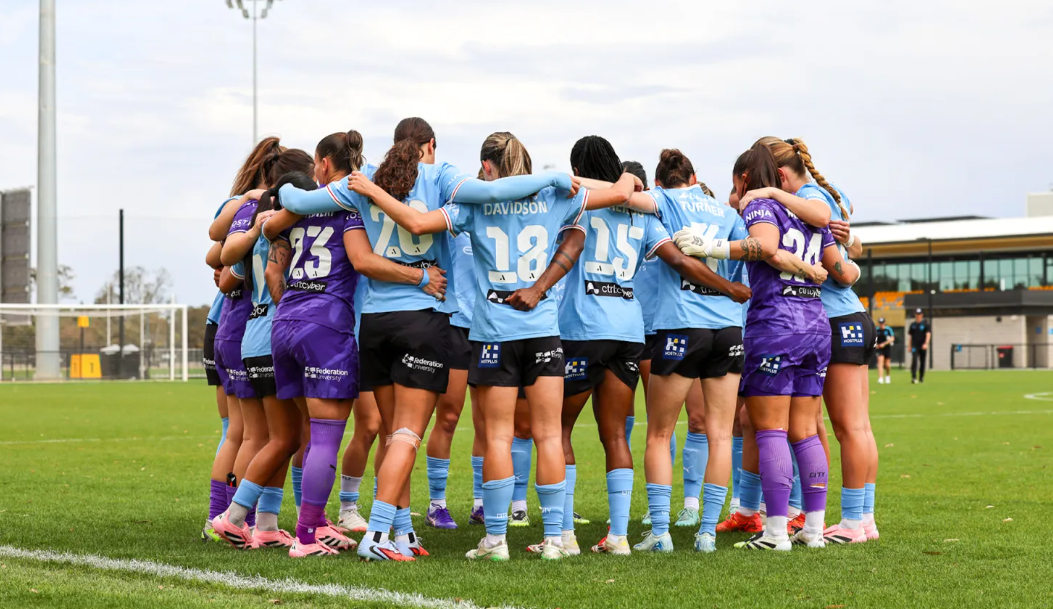
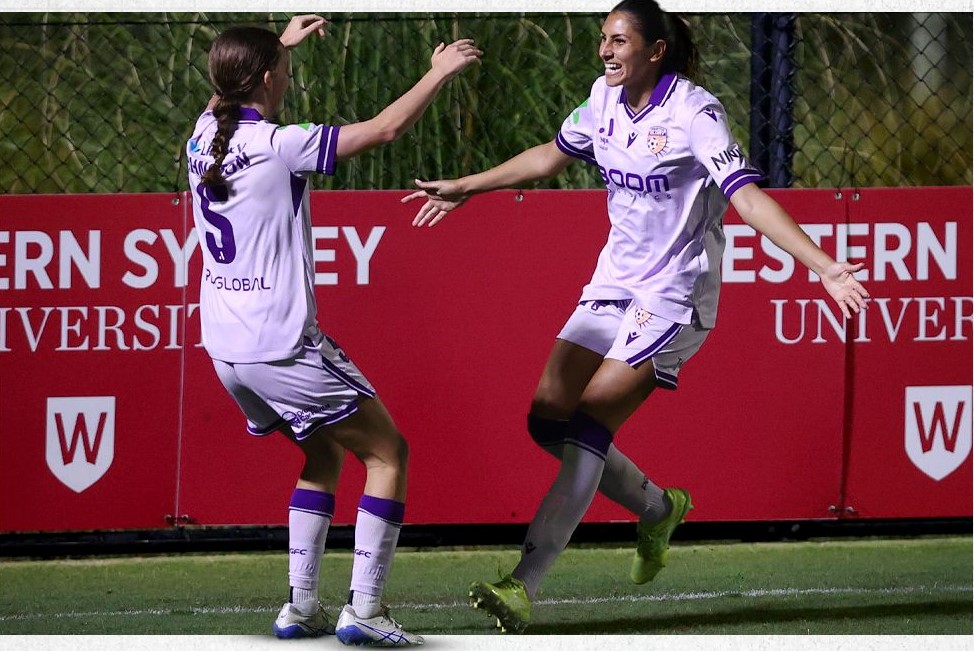

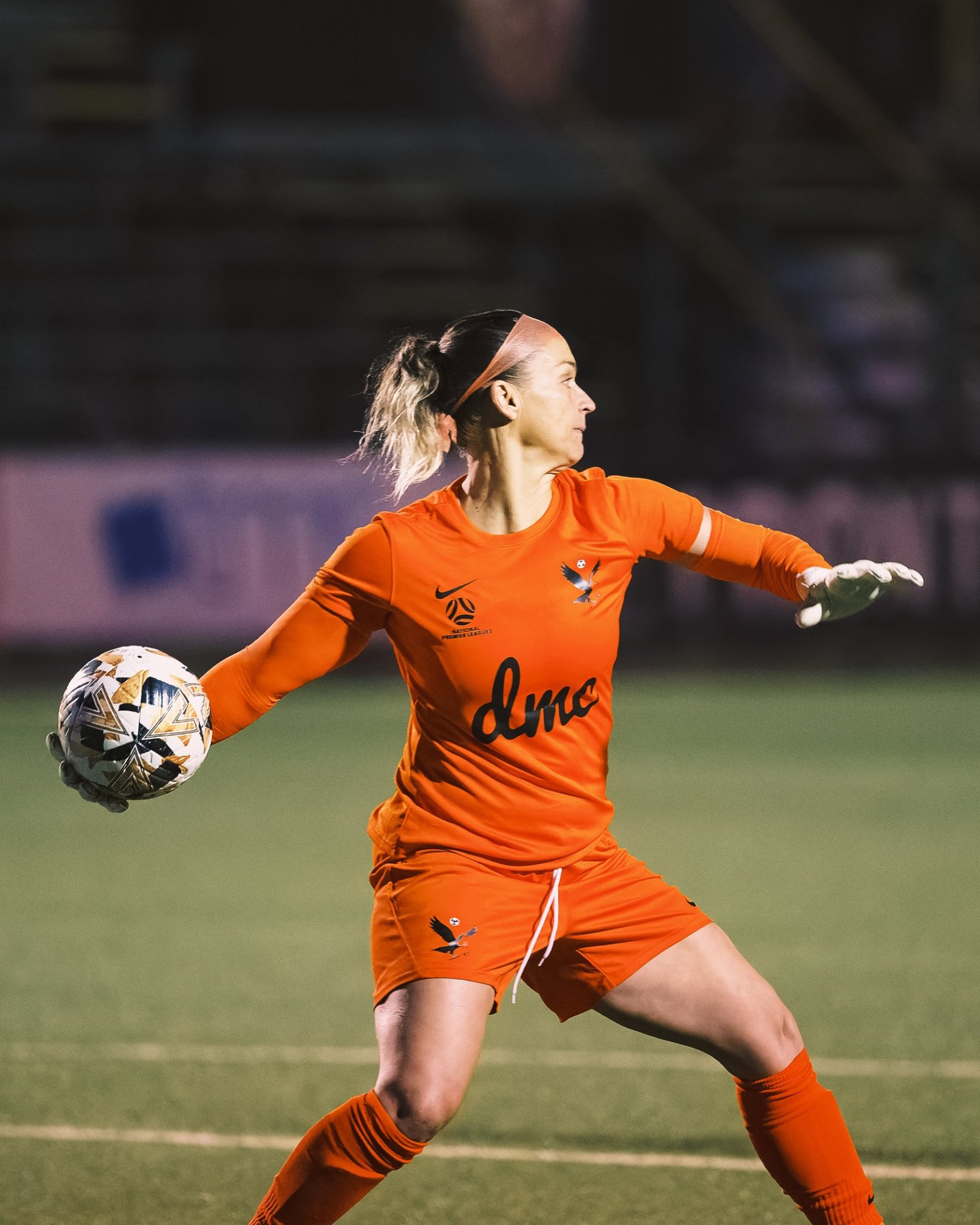


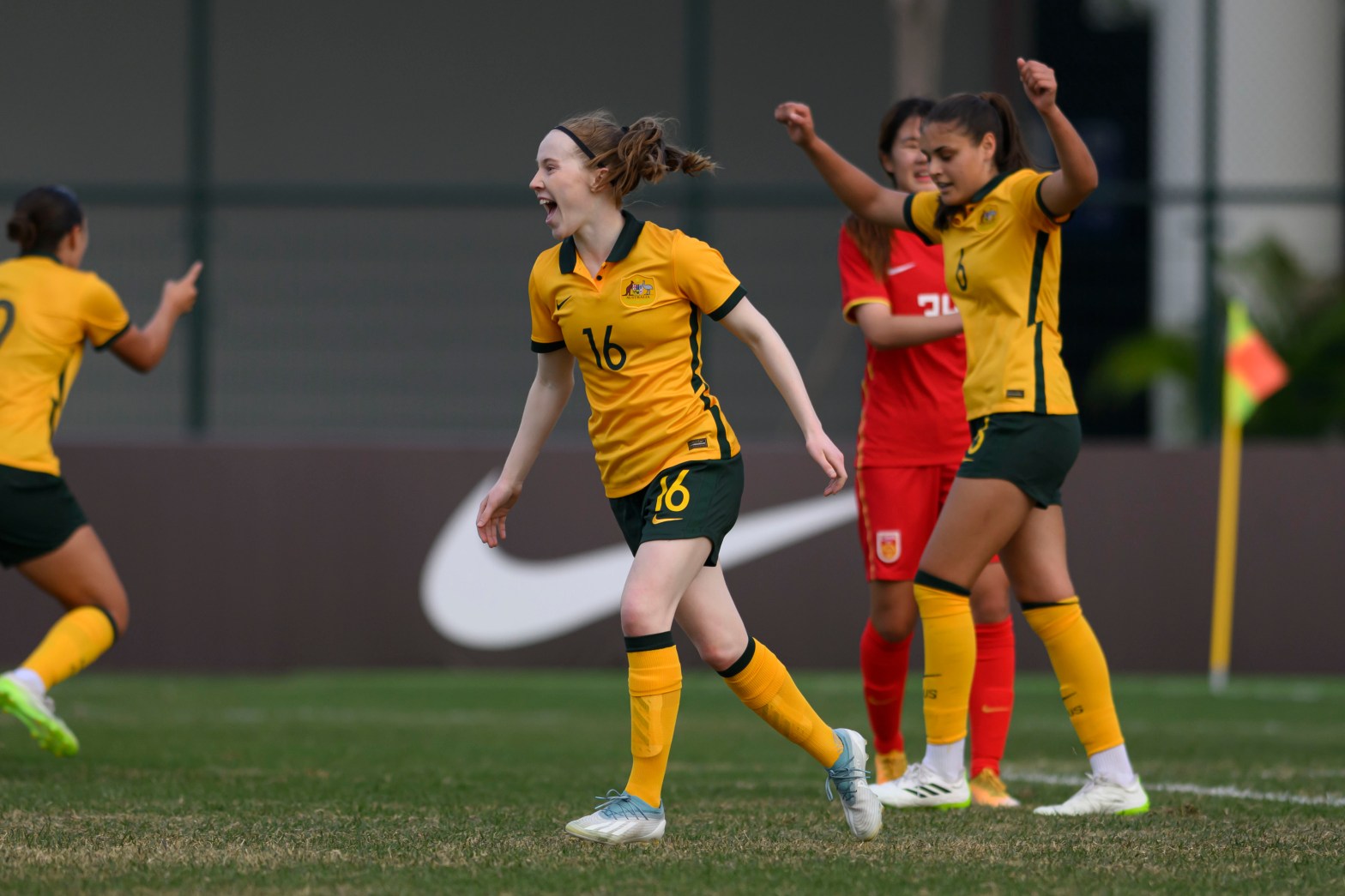
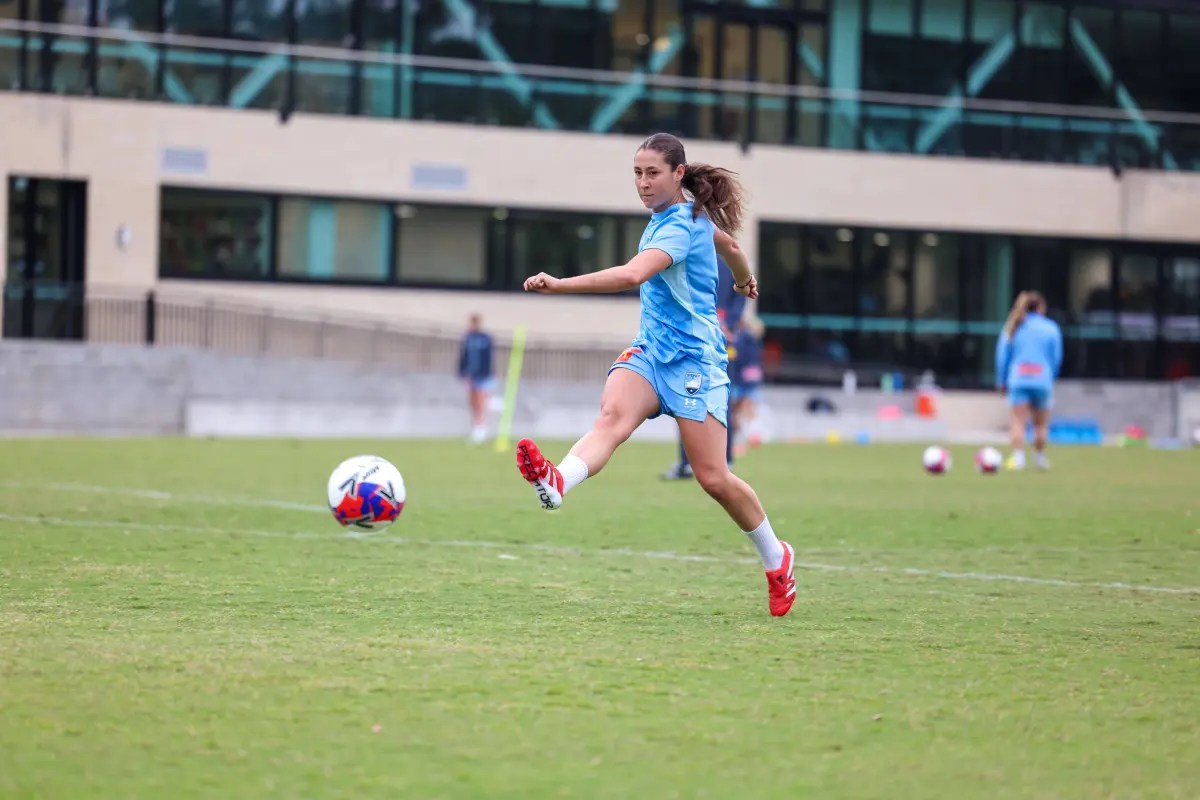

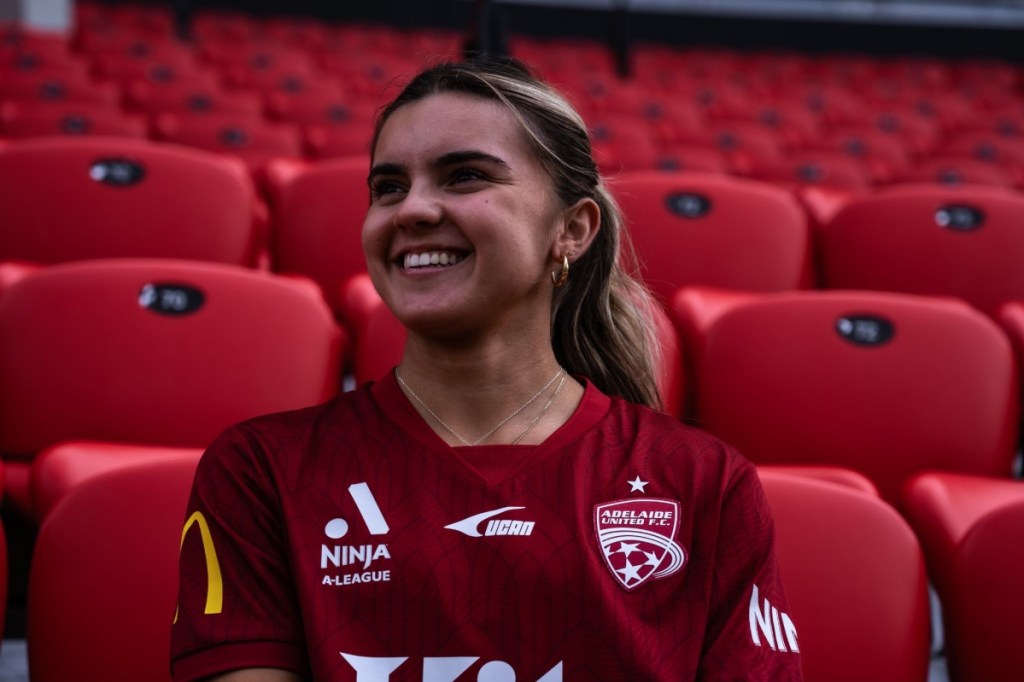



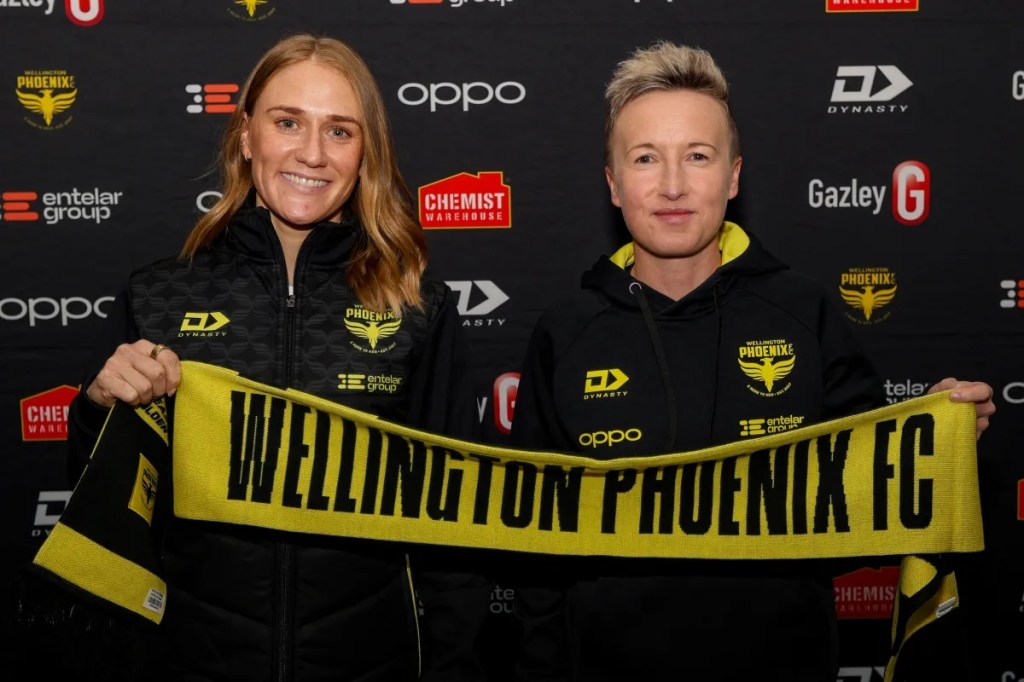

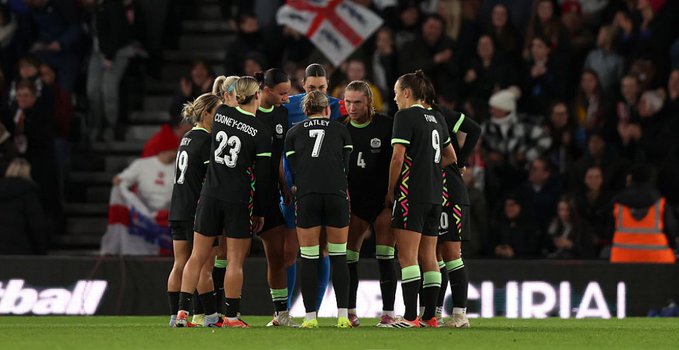






 impetusfootball.org