Michelle Agyemang: who is England’s ‘Agent of Chaos’?

By Alyce Collett (21/07/2025)

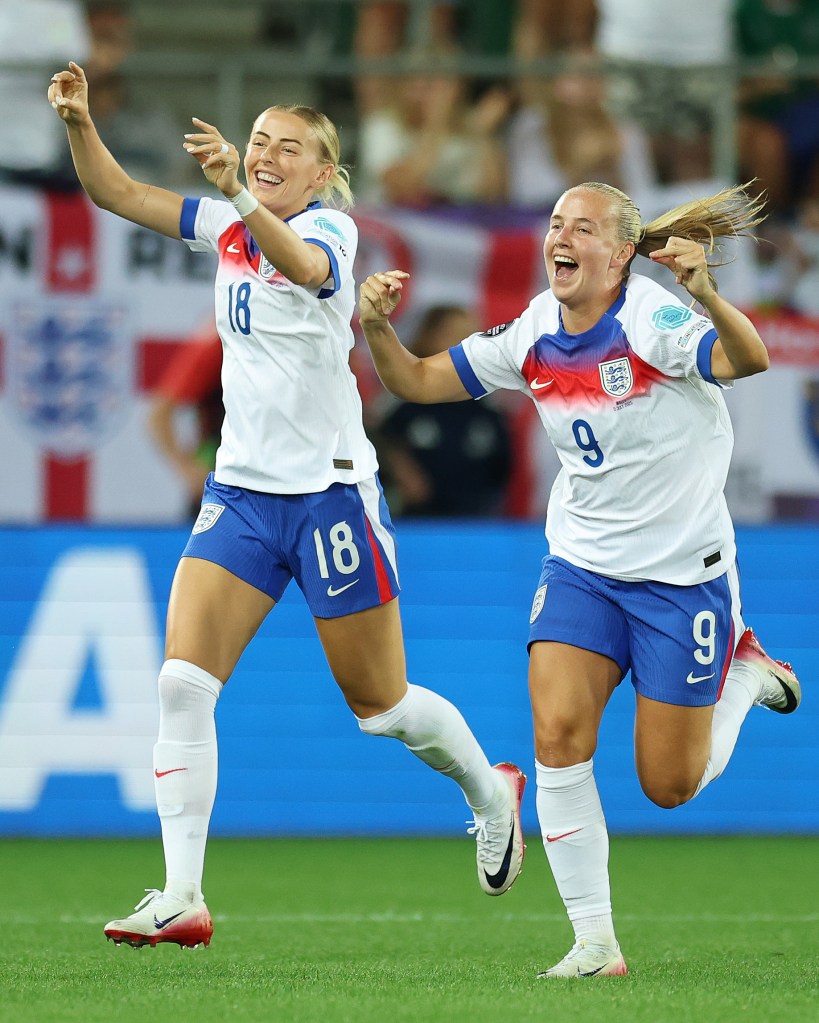
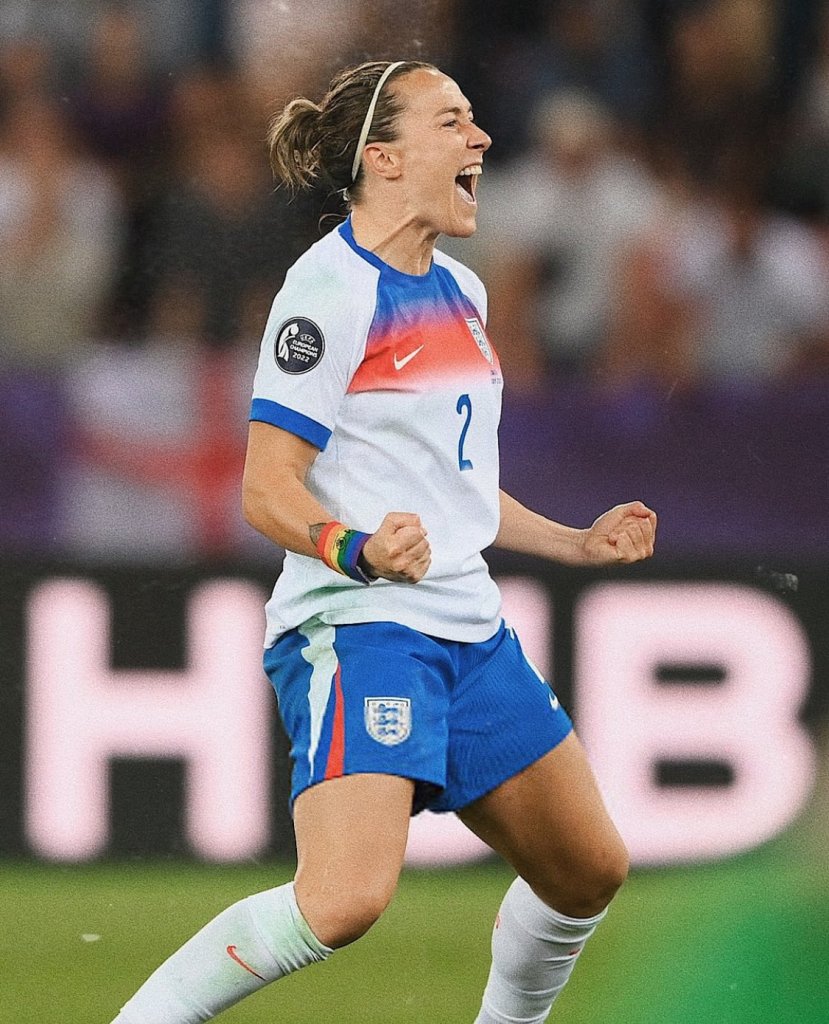
Above: Michelle Agyemang against Sweden. Photo: Nick Potts / PA.

Defending Euros champions England are through to another semi-final after a dramatic quarter-final win over Sweden. Whilst goalkeeper Hannah Hampton has been praised for her penalty-saving heroics and Chloe Kelly has been highlighted for her two assists, another gamechanger has been dubbed the Lionesses’ ‘Agent of Chaos’ for her ability to disrupt opponents.

Young Lioness Michelle Agyemang was introduced in the 70th minute and played the remaining 20 minutes plus the full 30 minutes of extra time. She made her presence felt and was a crucial part in helping England turn around their fortunes, forcing the match into a penalty shoot-out that England ultimately won. Scoring the goal that equalised the scoreline, a pattern is emerging: scoring important goals to get England back into games.

This is especially impressive given that the young forward was still playing with the Under-19s three months ago. When first-choice number nine Alessia Russo was injured ahead of the Lionesses’ Nations League clash with Belgium in April, it left the squad light in the front line. The senior squad had watched the U19s play against Austria at St. George’s Park the day before, and Agymang impressed, scoring for the Young Lionesses in the 5-1 win. She was given an immediate callup to the senior squad as an emergency replacement for Russo, and given her first senior minutes two days later.

These minutes came late into the game, when England were 3-1 down. A mere 41 seconds into her debut, Agyemang latched onto a pass from Leah Williamson, exhibiting impressive control of the ball to slam it into the back of the net. Although England did not complete the comeback, the goal gave the team a lifeline and the fans something to celebrate on an otherwise disappointing evening.

Speaking to England football, the striker said: “It’s a great ball from Leah, and I just thought as soon as I touched it, just hit it and I am really grateful that it went in the goal and proud to score my first goal for England.”

Agyemang is only 19 years old and has only played for the senior Lionesses three times now, all substitutions. She made her tournament debut in England’s opening game defeat against France, exhibiting an unpredictability and physicality that disrupted the French back line and gave England the momentum in the final stages of the game. In the quarter-final, England were 2-1 down with less than 15 minutes of normal time remaining when Agyemang caught a classically impressive cross from Chloe Kelly and scored the equaliser.

Speaking after the quarter-final win, Wiegman praised the young forward:

“This is basically why we selected her,” Wiegman said. “We know Michelle hasn’t been in our environment for a long period of time but the moment she came in she did well and she brings something different. She has shown that in training, she has shown that against Belgium, she has shown that against France. She is so strong and she scores goals.”

The details: Michelle Ageymang stats vs Sweden

Minutes: 51
Goals: 1
Shots: 3 (1 on target)
Shot Creating Actions: 2
Touches: 18
Passes: 5 completed, 7 attempted, 1 progressive pass
Carries: 9, 1 progressive carry
Tackles: 1

For much of the match things were looking disastrous for the Lionesses. Even with only 20 minutes left in regular time, Sweden were 2-0 up and were looking comfortable and on the verge of progressing through.

Then at about the 70th minute mark, England manager Sarina Wiegman made a trio of changes, bringing on Agyemang, Esme Morgan and Beth Mead, for Georgia Stanway, Jess Carter and Ella Toone respectively.

This meant that after a few reshuffles, Agyemang found herself out on the left wing, playing in front of Lauren James and alongside fellow Arsenal team mates Alessia Russo and Mead in the front three.

Unlike a traditional winger though, Agyemang did not always play a really wide line, moving centrally to allow the likes of James the room to run and play her natural game.

Once Chloe Kelly replaced Lauren Hemp in the 78th minute, Agyemang stayed more central, giving support to Russo.

Agyemang and Russo go about their football very differently, with Russo tending to prefer to use pace to come at the defenders while Agyemang prefers to use height and physical presence. The interesting thing about this is that Russo is actually about 6cm taller than Agyemang.

With this in mind, having Agyemang in a more central role really gave the Lionesses an imposing figure to aim for in the penalty area, which made things easier for the likes of Kelly and Lucy Bronze who could cross the ball in and have that target there able to really contest with the very imposing Swedish defenders.

It only took Agyemang about 10 minutes of pitch time to make the ultimate of impacts, pouncing on a well placed Mead header from a contest to drill the ball into the back of the Swedish net.

What does this all mean for the semi-final?

The way that the Lionesses were able to turn things around in the Quarter Final does bring up some interesting factors to think about for Wiegman and her coaching staff to think about.

The thing about the Italian defence is that the formation is very flexible. Andrea Soncin has shown this tournament that he is willing to change his formation from match to match, having used a back three, a back four and a back five across his teams’ four matches thus far.

It is pretty safe to assume Soncin will deploy a back four or back five because England has a pretty long list of player who could potentially score. If that does happen, it may be smarter to keep Agyemang in that super sub role because for forwards like her whose biggest strength is their physical presence, it is easier to beat defenders later in the game when they are tired.  However, Wiegman may choose to reward Agyemang’s goal with her first senior start – although this is unlikely.

What is likely is that England’s ‘agent of chaos’ will be introduced at some point if England are chasing a goal. The trick to using Agyemang seems to be using her in small bursts – no team has managed to get the measure of her yet, and it may be that Wiegman and her staff want to keep it that way. With competition from Chelsea starlet Aggie Beever-Jones for that super-sub position, it is also likely that Agyemang will need to be patient and keep taking these opportunities as they come.

England play Italy on Tuesday 22nd July in the first WEURO2025 semi-final, at 20:00 BST.

Follow Impetus on social media –

Twitter (X): @impetusfootball TikTok: @impetusfootball 

Instagram: @impetusfootball
Young Matildas squad for U20 Asia Cup Qualifiers announced

21/7/25

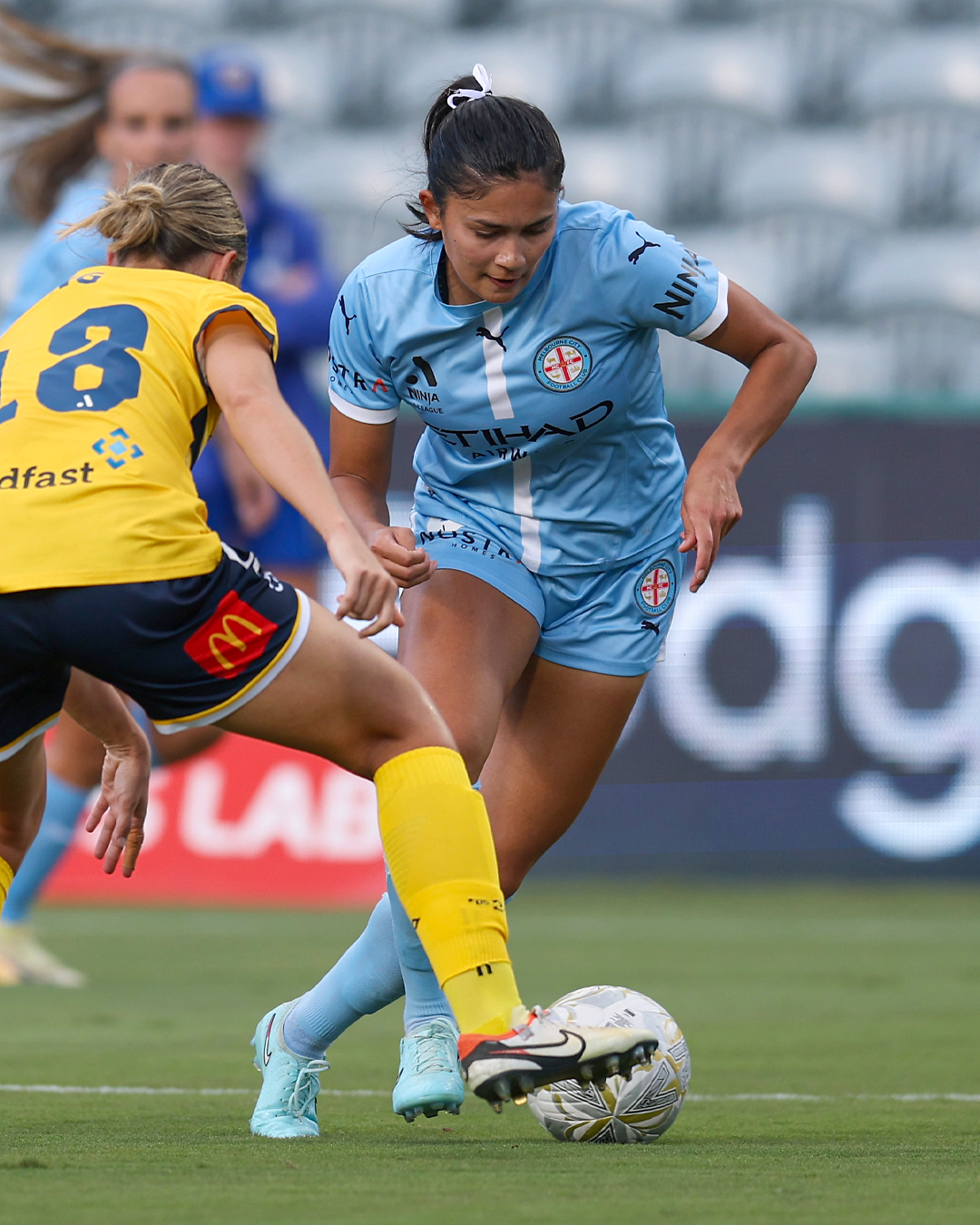
Above: Melbourne City’s Alexia Apostolakis (sky blue shirt), recently capped by Joe Montemurro for the senior Matildas, is in the Young Matildas squad for next month’s U20 Asia Cup qualifiers. Photo: Melbourne City.

New Young Matildas head coach Alex Epakis has revealed his 23-player squad for the forthcoming U20 Asia Women’s Cup Qualifiers that will take place in Dushanbe, Tajikistan.

After finishing third in last year’s finals, Epakis’ side will take on hosts Tajikistan, Palestine, and Chinese Taipei in the group stage. The group winners and the best three runners-up overall qualify for the 2026 Finals in Thailand.

Speaking about his selection, the former Perth Glory A-League Women head coach said: “The squad features a blend of players with previous experience within the U-20 age bracket and emerging new talent…

“While a number of players were unavailable for this August’s qualifiers, we are pleased to have named a strong, well-balanced squad capable of performing across what will be a demanding schedule in Tajikistan.

“The squad has benefitted from a recent domestic camp in July, which provided valuable time to further refine our playing style, strengthen our team culture, and build cohesion – all of which puts us in a strong position heading into the tournament.”

Young Matildas squad for the U20 Asia Women’s Cup Qualifiers
NAMEPOSITIONCLUB / MEMBER FEDERATION
AlexiaAPOSTOLAKISDefenderMelbourne City FC / Football NSW
AmeliaBENNETTDefenderWestern Sydney Wanderers FC NPL / Football NSW
TeganBERTOLISSIODefenderMacarthur Rams FC / Football NSW
JasmineBLACKGoalkeeperNorthern Tigers FC / Football NSW
MillyBOUGHTONForwardUnattached / Football NSW
India BREIERForwardMacarthur Rams FC / Football NSW
MadeleineCASPERSMidfielderSydney University / Football NSW
AmeliaCASSARMidfielderMacarthur Rams FC / Football NSW
Sian DEWEYMidfielderFootball South Australia NTC / Football SA
SofiaFANTEGoalkeeperSydney University / Football NSW
TianaFULLERForwardSydney Olympic FC / Football NSW
SkyeHALMARICKForwardNWS Spirit FC / Football NSW
IsabelaHOYOSDefenderBrisbane Roar FC / Football QLD
ZaraKRUGERMidfielderBrisbane Roar FC / Football QLD
GraceKUILAMUForwardBrisbane Roar FC | FQ Academy QAS Women / Football QLD
Maya LOBODefenderMacarthur Rams FC / Football NSW
IlonaMELEGHGoalkeeperFootball SA NTC / Football SA
AvaaniPRAKASHMidfielderBulls FC Academy / Football NSW
SiennaSAVESKAForwardIllawarra Stingrays / Football NSW
RubiSULLIVANDefenderNWS Spirit FC / Football NSW
CaleyTALLON-HENNIKERForwardIllawarra Stingrays / Football NSW
PetaTRIMSForwardSydney Olympic FC / Football NSW
TaliaYOUNISForwardWestern Sydney Wanderers FC NPL / Football NSW

Young Matildas’ schedule in the qualifying tournament:

Tajikistan: 6th August / 7th August, 10.00pm (local) / 3.00am AEST, Pamir Stadium, Dushanbe, Tajikistan.

Palestine: 8th August / 9th August, 7.00pm (local) / 12.00am AEST, Pamir Stadium, Dushanbe, Tajikistan. 

Chinese Taipei: 10th August /11th August, 7.00pm (local) / 12.00am AEST, Pamir Stadium, Dushanbe, Tajikistan. 

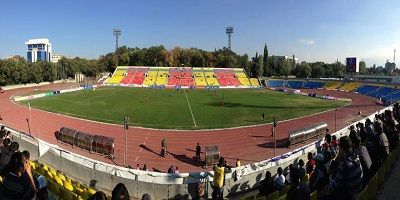
Above: Pamir Stadium – the venue for all of the Young Matildas’ U20 Asia Cup qualifiers in early August. Photo: Soccer Wiki.

Follow Impetus on social media –

Twitter (X): @impetusfootball TikTok: @impetusfootball 

Instagram: @impetusfootball
A National Pathway in Action: What the Emerging Matildas Championships Reveal About Australia’s Youth Development

By Georgie Lewis 21/7/25

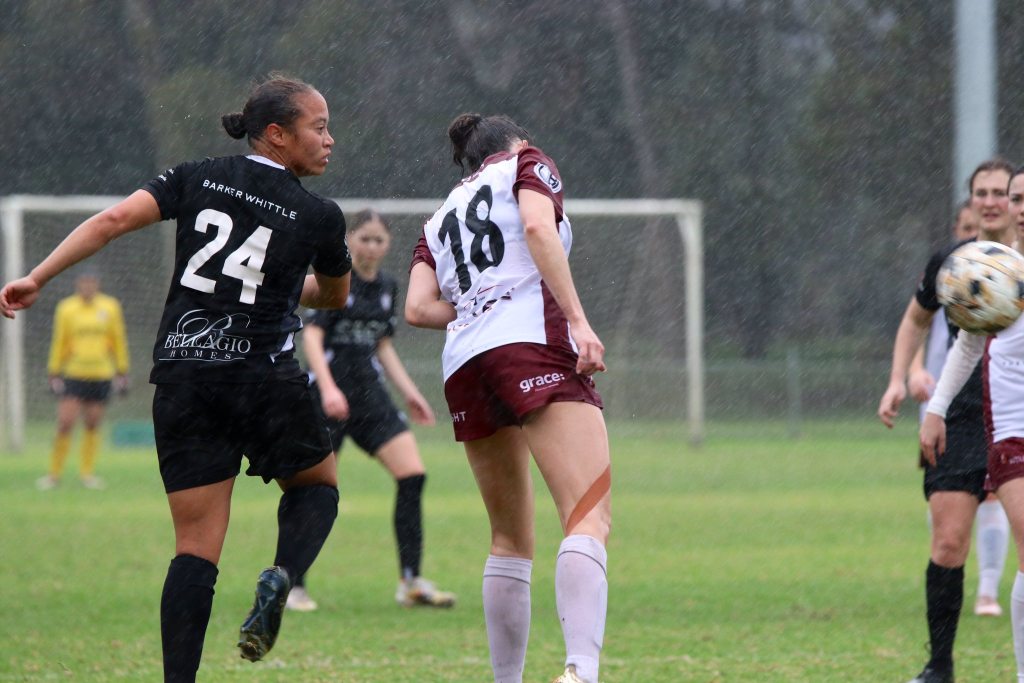
Above: NSW 15’s celebrate winning their title. Photo: Georgie Lewis

From Ellie Carpenter to Mackenzie Arnold to Kyra Cooney-Cross, some of the biggest names in Australian football began their careers at Valentine Sports Park. For the hundreds of players who competed in last week’s 2025 CommBank Emerging Matildas Championships, that same pathway is now open.

This tournament is not just another week of youth football. It is Football Australia’s most important national talent identification event — a direct pipeline from junior football to the national team. And with Matildas Head Coach Joe Montemurro and other national team staff watching from the sidelines, the message was clear: this is where futures are made

“A Proven Springboard to Senior International Honours”

Football Australia Interim CEO Heather Garriock was unequivocal about the role of the Championships in Australia’s player development system.

“The CommBank Emerging Matildas Championships continue to deliver more football and better football — providing meaningful match minutes, national exposure, and a proven springboard to senior international honours,” Garriock said.

“Players like Mackenzie Arnold, Ellie Carpenter, and Kyra Cooney-Cross have all come through this platform.”

Over six days of competition, the tournament showcased more than 700 players and team staff from all nine of Football Australia’s Member Federations, as well as international guests Malaysia. Two age groups — Under-15 and Under-16 — competed across dozens of matches at Valentine Sports Park in Sydney’s west. In total, over 280 goals were scored.

“This week, over 700 players and team staff from all nine Member Federations — together with our guests from Malaysia — have taken part across two age groups, demonstrating the depth and diversity of emerging talent,” Garriock said.


National Coaches on the Sidelines

Perhaps the strongest symbol of the Championships’ importance was the presence of national team staff. Matildas Head Coach Joe Montemurro presented the championship trophies alongside Garriock, while coaches from across the national women’s team set-up watched every game.

“It has been invaluable having all our national women’s team coaches present — including Matildas Head Coach Joe Montemurro — providing players with a direct opportunity to be seen and assessed as part of a connected national pathway,” Garriock explained.

The Championships sit within a broader development strategy that includes the newly established Perkins XI, Junior Matildas, Young Matildas, and the senior Matildas squad. Each step feeds directly into the next, making the Emerging Matildas Championships a critical point of entry for young players.

“Our goal is for the Championships to remain Australia’s leading talent identification event, while continuing to evolve the educational and development support for players, coaches, and officials alike,” Garriock said.


NSW Sky and Victoria Blue Lead the Way

On the pitch, NSW Sky and Victoria Blue shared the honours. In the Under-15 Championship Final, NSW Sky secured back-to-back titles with a dominant 4-1 victory over Northern NSW. Doubles from Jada Taylor and Tessa Young sealed the result, while Matilda Fleming scored a late consolation for Northern NSW.

NSW Sky Under-15 Head Coach Spencer Prior praised his side’s development across the week.

“I am really proud of the girls and the way that they improved each day in terms of what we were asking them to do,” Prior said.

“A performance like that in the final, where they really didn’t get near us and we controlled the game with and without the ball, is what we are really looking to do so I am super proud of the way they’ve applied themselves.”

In the Under-16 Championship Final, Victoria Blue defeated NSW Sky 1-0 in a tight and tactical match. NSW Sky had not conceded a goal all tournament until Alexis Pantazopoulos broke through in the 26th minute — the goal that ultimately secured the title for Victoria.

Victoria Blue Under-16 Head Coach Santiago Escudero credited his players.

“Honestly, 90% of our success is coming straight from the girls and all their professionalism and commitment. This is a fantastic and mature group. I can’t take too much credit; they are just outstanding,” Escudero said.

“We have played nice football during the tournament. We changed mentality and we came here to be competitive and to win the competition.”


A National Ecosystem: More Than Just Players

While young players competed on the pitch, Football Australia used the Championships as an opportunity to invest in the broader football ecosystem.

Coaches from across Member Federations participated in education workshops, sharing challenges and development practices. A dedicated parent workshop addressed the often-unseen challenges families face supporting young athletes, from navigating high-performance environments to handling transitions as players advance.

On the field, players underwent physical testing to establish individual performance profiles — including sprint speed, jump height, and other metrics used at elite level — giving coaches and national staff another tool in tracking emerging talent.

“Our goal is not just about identifying players but strengthening the entire system around them,” Garriock said.


The Future Is Already Here

For the hundreds of players who laced up their boots at Valentine Sports Park last week, the Championships represented more than a competition. Every match was a trial, every touch a chance to be noticed.

“This isn’t just about competition. It’s about connection — between community clubs, state federations, and national teams,” Garriock said. “That’s how we build the next generation.”

The 2025 CommBank Emerging Matildas Championships are over. But for Australia’s next wave of football stars, the journey is only beginning.

Follow Impetus on social media –

Twitter (X): @impetusfootball TikTok: @impetusfootball 

Instagram: @impetusfootball

Germany progress to WEURO2025 semi-final after dramatic defeat of France

By Emmanuel Faith (19/07/2025)

Above: German hero of the evening Ann Katrin-Berger. Photo: UEFA on X.

After going down to 10 players inside the opening twenty minutes, few would have imagined Germany would even get to half-time without being at least a goal or two down. However, they defied the odds and managed over 100 minutes of football with a team of 10 against 11, beating favourites France on penalties.

The match started with the pristine pedigree of two European powerhouses, both looking to reach consecutive semi-finals, vying for one available slot to play the world champions, Spain.

Both teams created a flurry of chances in the opening moments, with both defenses busy. However, little of note occurred in the opening 10 minutes, until France were awarded a free kick.

The night took a dramatic turn when VAR spotted a foul as experienced German defender Kathrin Hendrich pulled the hair of the French captain, Mbock Mbathy while defending the free kick. After a quick VAR check, it was an easy decision for the referee, and a hard bite for the Germans as Hendrich was given her marching orders while a penalty was awarded to France.

Grace Geyoro stepped up to convert the penalty with a powerful strike past Ann Katrin Berger, who couldn’t stop the fiery shot despite getting a hand on it.

A typical French citizen would probably think this was going to be a one-sided game, but Germans are called German Machines for a reason. In the 25th minute, exactly ten minutes after they went a player down,  Chelsea’s Sjoeke Nusken equalised with a sublime header from a corner.

The French regrouped, stringing swift passes together in quick transitions, with both Delphine Cascarino and Kadidiatou Diani working the German defense up tirelessly. Their efforts almost paid off in the 39th minute when Cascarino connected with an accurately weighted cross from Grace Geyoro to slot in a perfect ball, she was however slightly offside thus the goal didn’t count.

The second half opened with the same intensity, as France mounted pressure, and they thought they finally took the lead with a 58th minute strike, however Maelle Lakrar was judged offside in the build-up.

The eight-time European champions defended in coordination, while relying on counter-attack when opportune, and this almost led to them taking the lead after Selma Bacha gave away a penalty with a clumsy foul on Bühl.

Sjoeke Nusken stepped up to what would have been another twist to this thrilling tale but she couldn’t shoot past Peyraud Magnin, who dived in the right direction.

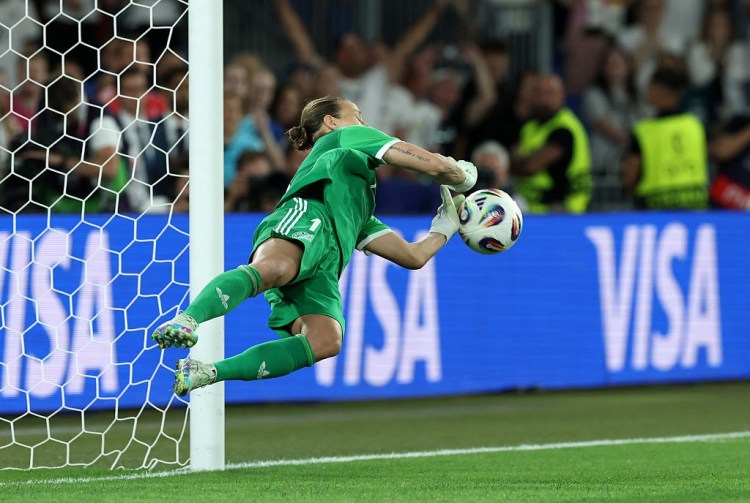
France continued to dominate possession, but Gotham City shot-stopper Berger produced a series of exceptional saves, ensuring the match went to extra time. The pick of the bunch was her one-handed stop that denied France a Germany own-goal in the 103rd minute.

Above: Ann Katrin-Berger with one spectacular save. Photo: UEFA on X.


The series of substitutions that followed signaled the match was heading to penalties with both teams bringing on penalty takers like Sara Dabritz, and Amel Majri respectively.

After a coin toss, the German captain Minge converted her spot-kick, but France midfield legend, Majri couldn’t follow suit, giving the Germans an advantage.

They kept this advantage as Dallman and Knaak converted their penalties in the second and third take, with Karchaoui, and Malard converting theirs for France to keep mounting pressure.

This almost paid off as the 11th hour substitute, Sara Dabritz hit the bar, despite sending the goalkeeper the wrong way.

Chelsea’s duo Sandy Baltimore and Jean Francois converted for France, Berger converted for Germany, before becoming the hero as she saved France seventh penalty to send push her team into the quarter-finals.

Germany’s resilience, playing more than 100 minutes a player down, and tactical discipline will be remembered by fans and neutrals as Berger’s standout performance marked her as the overnight sensation of the tournament.

France once again fell short in the knockout stages without lifting a major trophy.

Germany will face Spain in the semi-final on Wednesday 23rd July at 20:00 BST.

TEAMS: FRANCE (4-3-3): Peyraud Magnin, De Almeda, Mbock Bathy, (c), Lakrar, Bacha, Geyoro, J Francôis, Karchaoui, Cascarino, Katoto, Diani. Substitutes: Baltimore (Diani 67’), Mateo (for Katoto 76’), Malard (for Cascarino 76’), Sombath (for Mbock Bathy 85’), N’Dongala (for De Almeda 112’), Majri (for Geyoro 112’).

Scorer: Grace Geyoro, 15’ P.

GERMANY (4-1-4-1): Berger, Linder, Hendrich (red card’ 13), KNAAK, Kett, Minge (c) , Brandt, Senß, Nusken, Bühl, Hoffman. Substitutes: Kleinherne (for Linda 20’), Schüller (for Hoffman 98’) , Cerci (for Kett 114’) Dabritz (for Senß 120’).

Scorer: Sjoeke Nusken 25’

Attendance: 34,128

Referee: Tess Olofsson (SWE)

Follow Impetus on social media –

Twitter (X): @impetusfootball TikTok: @impetusfootball 

Instagram: @impetusfootball

Why Sarina Wiegman’s most unpopular trait is key to Lionesses’ success

By Catherine MacKenzie (19/07/2025)

Above: England celebrate a goal as one team. Photo: Lionesses on X.

Sarina Wiegman rarely makes early substitutions, ‘trusting the gameplan’ to eventually succeed. This is a cause of frustration for some fans and pundits, but are there positives to making substitutions late? What does this approach say about the team dynamics?

Following England’s unlikely triumph in the quarter-final of the 2025 Women’s Euros, most fans and pundits were delighted. That the team had gone to the brink of disaster by conceding two goals in the first half – but emerged victorious – was just cause for jubilation on a large scale. Few would have thought a comeback was possible at half-time, when England were struggling and Sweden were piling the pressure on.

A comeback was possible, however. Following the introduction of substitutes Chloe Kelly, Michelle Agyemang, and Beth Mead, the Lionesses’ scored two goals in three minutes to bring themselves level and take the game to extra-time. No more goals came from either team, and England eventually triumphed through either the best or the worst penalty shootout of all time, depending on who you ask.

The substitutes changed the game, just as they did in 2022 – it was Kelly’s perfectly-placed crosses into the box that gave Lucy Bronze and Agyemang the chances to bring the game level.

A key feature of Wiegman’s success at England has been the use of the ‘finisher’ to change the game, and this tournament has been no different. In their first game, that seismic 2-1 loss to France, 19 year old Agyemang emerged from the bench to run at the French defence.

England finally looked like they had some energy, and they did pull one goal back, but there was not enough time to complete the turnaround. Wiegman was criticised extensively for the lateness of her substitutions – Agyemang in particular, who came on with 10 minutes left on the clock – and England became the first reigning champion to lose their opening group stage game.

On Thursday evening, Agyemang made another appearance off the bench – this time 10 minutes earlier. On the 70th minute mark, she and Kelly stepped foot onto the pitch and truly changed the game. Within 10 minutes, England had pulled one back – and a mere few minutes later had the equaliser. It seemed Wiegman had learned from that opening game. However, some pundits and fans were still not satisfied, calling for much earlier substitutions to be made.

Above: Agyemang celebrates after equalising against Sweden. Photo: Girls on the Ball.

It is arguable that they have a point with one player. Jess Carter was struggling at center-back, despite an improvement mid-way through the first half when Wiegman had her switch sides with center-back partner Leah Williamson. The switch allowed Carter more protection whilst pushing Williamson more towards the wing, where she could distribute the ball more easily to where Sweden were leaving space.

Carter improved as the half progressed, however a half-time substitution would not have been surprising. When Esme Morgan eventually did come on, she made a positive impact, bringing an aura of calmness to the calamatious defensive line.

This brings us to the most common criticism levelled at Wiegman: she often leaves substitutions until later on in the game. When she makes earlier substitutions, these actually tend to be players who have had a strong game. For example, withdrawing Ella Toone at half-time in the match against Wales. Toone wanted to continue, and had put in a strong performance – but Wiegman opted to give other players minutes.

When a player has a poor game, for the most part they are trusted to continue following the half-time break. The exception seems to be when the scoreline is not close – for example, against Belgium in April when the Lionesses were already 3-1 down by half-time and Millie Bright and Niamh Charles were replaced during the interval. Largely, there seems to be immense trust in the starting eleven’s ability to do better – and that trust is arguably a fundamental part of the squad togetherness and cohesion.

It seems to be Wiegman’s view that if a player has a poor first-half, they are talked to at half-time; tactical tweaks made; perhaps a pat on the back (or the hairdryer treatment).

They are then given a second chance: 15-20 minutes of the second half to improve. If there is little in the way of improvement or if the opponent has changed something that requires a formation adjustment, the player is then substituted out – knowing their manager trusts them to be better and that they have been given that chance.

If the Lionesses are successful in this Euros – whatever that success means – a large contributing factor will be their cohesion and togetherness. In the face of extensive adversity off-pitch including high-profile withdrawls and retirements, the team seem more together than ever.

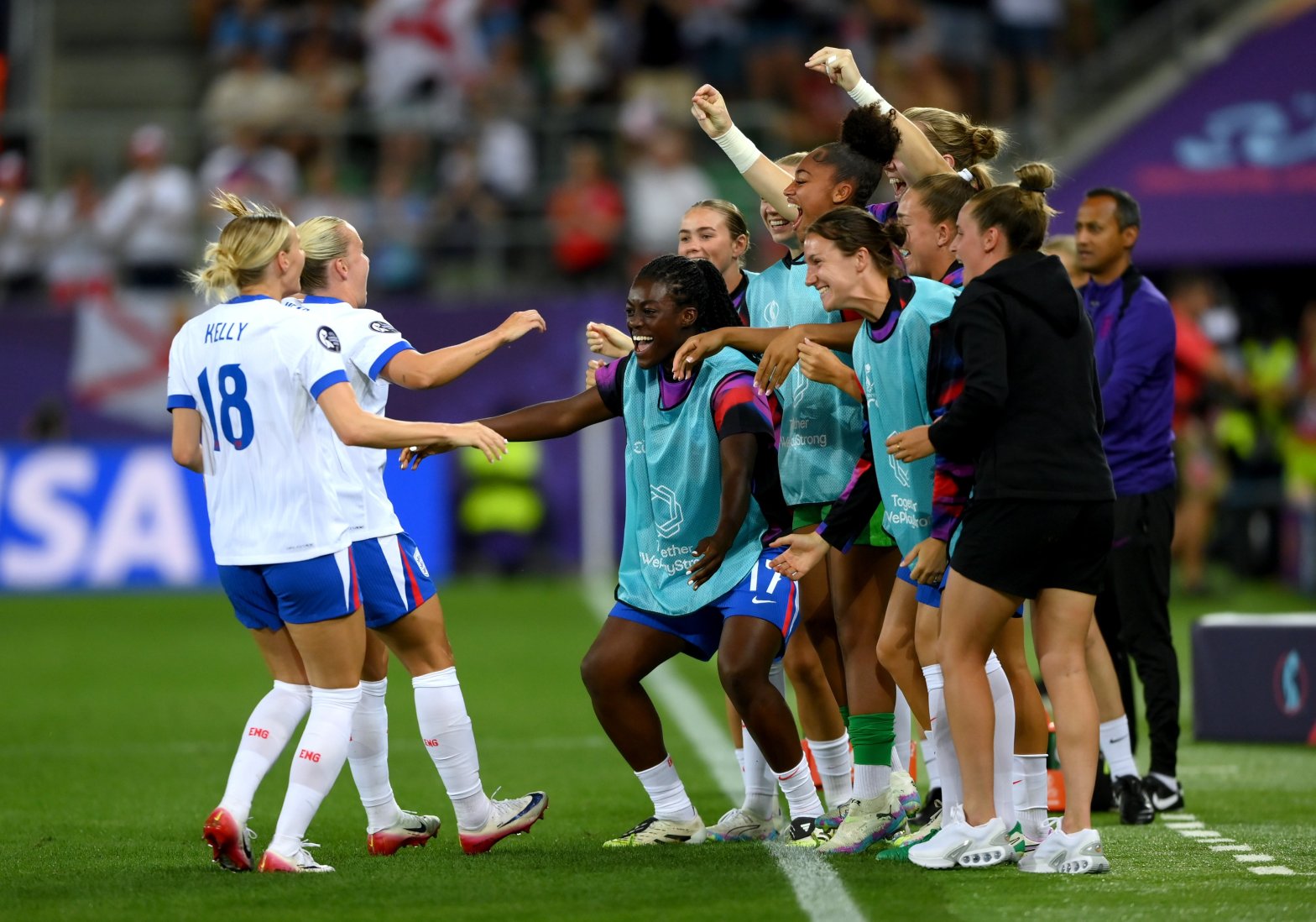
Players have said it numerous times – Ella Toone said recently that “If I had to sum up the game in just a few words, I would go for togetherness, hard work, resilience and fun”, Sarina Wiegman post-Wales win echoed that: “I think we built momentum… You could see the togetherness of the team.” The substitutes even have their own celebration – a positive clicking.

Above: Beth Mead and Chloe Kelly click. Photo: Lionesses on X.

Trust is a huge part of that togetherness. Without building trust in each other, a team does not work, and the manager is no exception to that rule.

Tactically, it is also arguable that there is reason to leave substitutions until late. If the point of the finishers is to be game changers that disrupt the flow of the game, giving the opponent ample time to adapt to this change is likely not a good thing.

In Thursday’s quarterfinal, England were level with around fifteen minutes remaining on the clock (including injury time) – just about enough time for Sweden to adapt to the different qualities on the pitch. In extra time, Sweden did grow momentum, because they had been given the time to settle down.

Trusting substitutes to make an immediate impact in a very short amount of time is risky and will not always pay off – but in this case, there was good reason to be confident. After all, Agyemang scored within 41 seconds on her debut, and teams do not know that much about her yet.

In the famous 1999 men’s Champions League final between Manchester United and Bayern Munich, it was substitute Ole Gunnar Solskjaer who disrupted the German giants enough to get the winner, after being introduced with less than 10 minutes left on the clock. In the 2014 men’s World Cup final, Mario Götze was subbed on in the 88th minute – and he was the one to score the winner. Finally, Chloe Kelly did not enter the pitch until gone the 60th minute in the 2022 final against Germany.

There is a long tradition of late substitutions changing the game.

If England are to reach the final or even win the tournament, it is likely that there will still be rumblings about late substitutions among supporters. The narrative has solidified enough to become part and parcel of debates surrounding this England side and it is unlikely that will change.

Frustrations over timing aside, the substitutes are an integral part of the Lionesses’ progress in this competition, just as they were three years ago, and they can take comfort in that trusting environment.

England play Italy on Tuesday 22nd July at 20:00 BST in the first semi-final of the 2025 Women’s European Championship.

Follow Impetus on social media –

Twitter (X): @impetusfootball TikTok: @impetusfootball 

Instagram: @impetusfootball
Hosts Switzerland exit Euros despite valiant fight against Spain

Spain 2-0 Switzerland

By Gethin Thurlow (18/07/2025)

Above: Spain celebrate their win. Photo: SEFutbolFem on X.

The fairytale comes to an end for the hosts of the WEURO2025, Switzerland. World champions Spain proved too strong in the end, despite a strong defensive showing from the hosts that held for over 60 minutes. The Swiss can take comfort in reaching a first ever major tournament knockout round, and a huge showing of local support.

This Matterhorn-sized Mountain that Switzerland would have to climb looked like it would be over before it even begun as Nadine Riesen fouled Arsenal’s Mariona Caldentey, missing the ball and conceding an early penalty. However, the ever-reliable Caldentey smashed the ball wide, bringing the in-game missed penalty count this tournament to three (50%) excluding penalty shootouts. There is clearly something in the Swiss air.

The hosts responded well to this let off, and after perhaps the initial nerves had settled, took on an attitude of ‘we are not going down without a fight’. The Swiss had some good link up play between Sydney Schertenleib and Iman Beney – who was allowed an exclusively attacking role for the first time this summer – which tested the Spanish defence.

Following this bright spark for the hosts, it was time for Switzerland’s defence to show, and they really did. While the Spanish midfield did its thing – forcing the game to be played in the last 25 yards of the pitch; Switzerland held firm, stayed disciplined and held structure, which limited any clear cut chances for the World Champions. Despite all that possession, Spain could hardly argue with the 0-0 scoreline at half time.

Evidently satisfied that it was only a matter of time for Spain, head coach Montse Tome opted against making any changes at half time, with an almost overwhelming array of game changing talent sitting on the bench. For Switzerland, it was a case of sticking to the gameplan, one which had been successfully crafted by football legend Pia Sundhage in the Swiss dugout. Part of this was a first start for veteran Ana Maria Crnogorcevic, who brought bags of experience, as well as some expertise against these specific players given her years at Barcelona.

As the clock started to move, the serial winners of Spain stayed relatively composed, avoiding desperation for the most part. There was a contentious moment for the referee as Laia Aleixandri arguably should have received a second yellow card (and then a third!), and on the ball Spain’s decision-making showed their nerves.

Leila Ouhabi was brought on to offer Spain more of a wide crossing threat with her brilliant left foot. In a game that ultimately needed that special moment, something that only few could produce to break down this defence, Aitana Bonmati stepped up and delivered it. Picking up the ball on the edge of the box, with three defenders tight to her and with her back to goal, the reigning Ballon D’or winner slid a delightful backheel pass through the defence, perfectly meeting the run of Athenea Del Castillo, who shot the ball home.

The introduction of Aliyah Pilgrim had briefly given Switzerland a new dimension in attack, stretching the field with her runs in behind, but the game ended as a contest merely moments later. Claudia Pina picked up the ball on her right foot, about 25 yards out with minimal pressure. As they say: “the rest was history”.

Above: Cl;audia Pina celebrates her goal. Photo: SEFutbolFem on X.

For Switzerland, there was one more moment to enjoy it what has been a magical tournament for them. Lyvia Peng, who has been exceptional across the four games dived beautifully to stop Alexia Putellas’ late penalty giving those passionate fans ones more thing to celebrate.

Above: WEURO2025 Fan walk. Photo: Swiss FA.

Spain will face the winner of France v Germany in the semi-finals in Zurich on Wednesday 23rd July, kicking off at 8pm BST

TEAMS: SPAIN (4-3-3): Coll, Battle, Paredes (c), Aleixandri, Carmona, Aitana, Patri, Alexia, Caldentey, Gonzalez, Pina. Substitutes: Ouhabi (for Carmona 62’), Del Castillo (for Caldentey 62’), Lopez (for Pina 78’), Paralluelo (for Gonzalez 78’), Fernández, García, Martín-Prieto, Méndez, Nanclares, Redondo, Sullastres, Zubieta

Scorers: Del Castillo 66’, Pina 71’

SWITZERLAND (4-4-2): Peng, Crnogorcevic, Callagiris, Maritz, Riesen, Walti (c), Reuteler, Ivelj, Vallotto, Beney, Schertenleib. Substitutes: Pilgrim (for Ivelj 62’), Wandeler (for Riesen 78’) Terchoun (for Vallotto 90’) Xhemali (for Schertenleib 90’) Lehmann (for Beney 90’), Ballesté,  Böhi,  Fölmli,  Herzog, Mauron, Sow, Stierli.

Attendance: 29,734

Referee: Maria Ferrieri Caputi (Italy)

Follow Impetus on social media –

Twitter (X): @impetusfootball TikTok: @impetusfootball 

Instagram: @impetusfootball
Teagan Micah signs with OL Lyonnes

By Genevieve Henry (18/7/25).

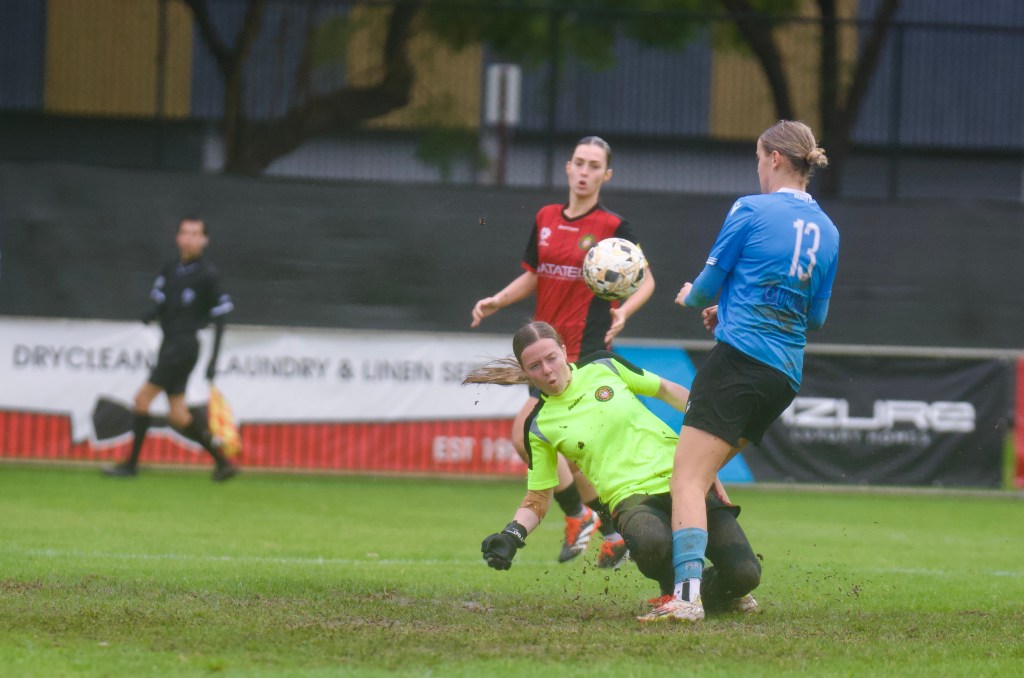
Above: Teagan Micah signs for OL Lyonnes. Image: Instagram.

In a huge move, Teagan Micah has signed with French giants OL Lyonnes until 2026. The Australian goalkeeper departs Liverpool after making 19 appearances for the Reds over her two year spell in Merseyside. 

With the number one spot for the Matildas firmly on lock, Micah’s move to such a strong club makes sense on paper. However, Lyon’s lineup will be tough to break into with Tiane Endler between the sticks for the 18-time French champions. Micah will also be in competition with young French keeper Féerine Belhadj; but one would infer that Micah will assume the role of first back-up due to her experience and reliability.  

With just a one-season contract with OL, Australian fans will hope Micah has the opportunity to prove herself, either leveraging herself into a new contract or a move to a club where she will be guaranteed the number one shirt. 

The 27-year old has multitudes of experience, playing for UCLA in the US college system, four different clubs in the A-League Women, two in Norway, and Rosengard in Sweden, where she was a crucial player in two successful seasons. At Liverpool, she was the backup to Rachel Laws, but nonetheless impressed during her spell. Her trajectory has been consistently rising, so it’s only fitting she will reach the pinnacle of women’s football. 

OL would have many reasons to bring Micah in. Simply, the club needs a backup for Endler. With the sheer amount of games OL plays between Ligue 1, the French Cup, and the Champions League, rotating keepers is a must. Micah can likely expect to see the pitch the most in the Cup or against lower ranked opponents in the league, although Australians will hope she can get some UWCL action. She has big game experience and if the OL coaching staff were to trust her with the responsibility, she could easily play in critical matches.

Above: Teagan Micah in Matildas training session during the SheBelieves Cup. Image: Genevieve Henry for Impetus.


Micah has a plethora of valuable goalkeeping skills, with her shot-stopping from close range like no other. Her distribution is consistently good, as well as her decision making. Most importantly, Micah can play out from the back, which fits Lyon’s possession based style. 

Behind a transitional Lyon defence, Micah’s vocality could be a huge asset, able to read the game and organize the backline in stressful situations. With the departure of compatriot Ellie Carpenter, OL will have to integrate a new right-back into the system, as well as a likely shift away from Wendie Renard, who is possibly nearing the end of her career, and towards the likes of Alice Sombath in the heart of defence. 

Ultimately, though she may not be taking the gloves from Endler, Micah’s fantastic signing with OL Lyonnes will push her to improve in the highly competitive environment. Her reliability will be crucial to the French powerhouse as an excellent second option. As she reaches her prime, this is a great position for Micah to be in. 

Follow Impetus on social media –

Twitter (X): @impetusfootball TikTok: @impetusfootball 

Instagram: @impetusfootball

Lucy Bronze and Hannah Hampton heroes as England seal dramatic comeback win

Sweden 2-2 England (England win on penalties)

By Eloise Smallbone (18/07/2025)

Above: England celebrate a dramatic comeback win against Sweden. Photo: Lionesses on X.

England are through to the semi-finals of Euro 2025. The Lionesses produced an impressive comeback win, after going 2-0 down to Sweden in the first half.  They then drew level in the second half, taking the game to extra time at 2-2.  The tie then went all the way to a remarkable penalty shootout. 

The stage was set for an exciting match-up between Sweden and England, who are currently ranked as the fifth and sixth in the world.  The two nations had previously met in the semi-finals of Euro 2022, with England producing a convincing 4-0 win.  However, the circumstances were very different before this match.  Sweden were on a winning streak of 15 matches, whereas England’s form had been much less consistent.  However they had recently had two emphatic wins at the tournament, against the Netherlands and Wales. 

It was not long after the whistle that Sweden put themselves ahead, with Kosovare Asllani scoring her 50th goal for Sweden with less than two minutes on the clock.  Asllani capitalised on a defensive mistake from Jess Carter and put her country 1-0 up.  Sweden continued to pile the pressure on England, with Leah Williamson making a crucial block in the fifth minute, to prevent Stina Blackstenius from putting Sweden 2-0 up. 

The opening 15 minutes of the game were reminiscent of England’s first game of the tournament, against France, with England struggling to effectively maintain their defensive shape against Sweden.  Blackstenius was able to capitalise on England’s defensive mistakes and inaccurate passes and scored Sweden’s second goal of the evening after outpacing Carter. 

Above: Stina Blackstenius celebrates. Photo: WEURO2025 on X.

Sweden went into half-time with a two-goal advantage over England, leaving the Lionesses with a mountain to climb in the second half.  Hannah Hampton had been called into action on multiple occasions before the half-time whistle and England had struggled to create any clear-cut chances. 

Sweden were significantly stronger in transition phases than England, moving the ball up the pitch faster, and they were also quick to capitalise on the occasions that England gave the ball away in the midfield.  Blackstenius stood out as one of Sweden’s strongest players, holding the ball up and making driving runs that England’s defenders struggled to shut down, despite many of them having played either with or against her in the WSL.   

However, England came out for the second half with determination and grit, and they piled the pressure on Sweden from the start of the second half.  Ella Toone had a chance in the 49th minute, and England began to get their attackers further forward on the pitch.  Lauren Hemp also had several chances but was unable to get England back in the game. 

It was not until Sarina Wiegman made her substitutions after the 70th minute that England got themselves back into the game.  Wiegman made a strong attacking change, bringing on Esme Morgan, Michelle Agyemang, and Beth Mead for Jess Carter, Georgia Stanway and Ella Toone.  She then brought on Chloe Kelly for Lauren Hemp, whose performance was crucial in England’s victory.  Sweden also made changes at this point, having already brought on Smilla Holmberg for Hanna Lundkvist, and Lina Hurtig and Madelen Janogy replaced Asllani and Fridolina Rolfӧ. 

Above: England head coach Sarina Wiegman applauds fans. Photo: WEURO2025 on X.

Kelly’s impact was evident as soon as she came off the bench, scoring an assist within two minutes of making her way onto the pitch.  She provided the cross to Lucy Bronze, who headed the ball into the back of the net in the 79th minute, starting England’s comeback.  Kelly then sent the ball into the penalty box within three minutes of England’s first goal, for Mead to head it to Agyemang, who made it 2-2.  Kelly brought an energy in England’s attack which had previously been missing, and Wiegman’s substitutes proved to be the difference which sent the tie to extra time. 

Bronze’s determination and resilience shone in extra time of the game especially.  Williamson had to be substituted due to an ankle injury, after which Bronze took the armband.  Neither Sweden nor England were able to settle the tie in the additional 30 minutes, with both goalkeepers being tested.  The game then went to a penalty shootout.

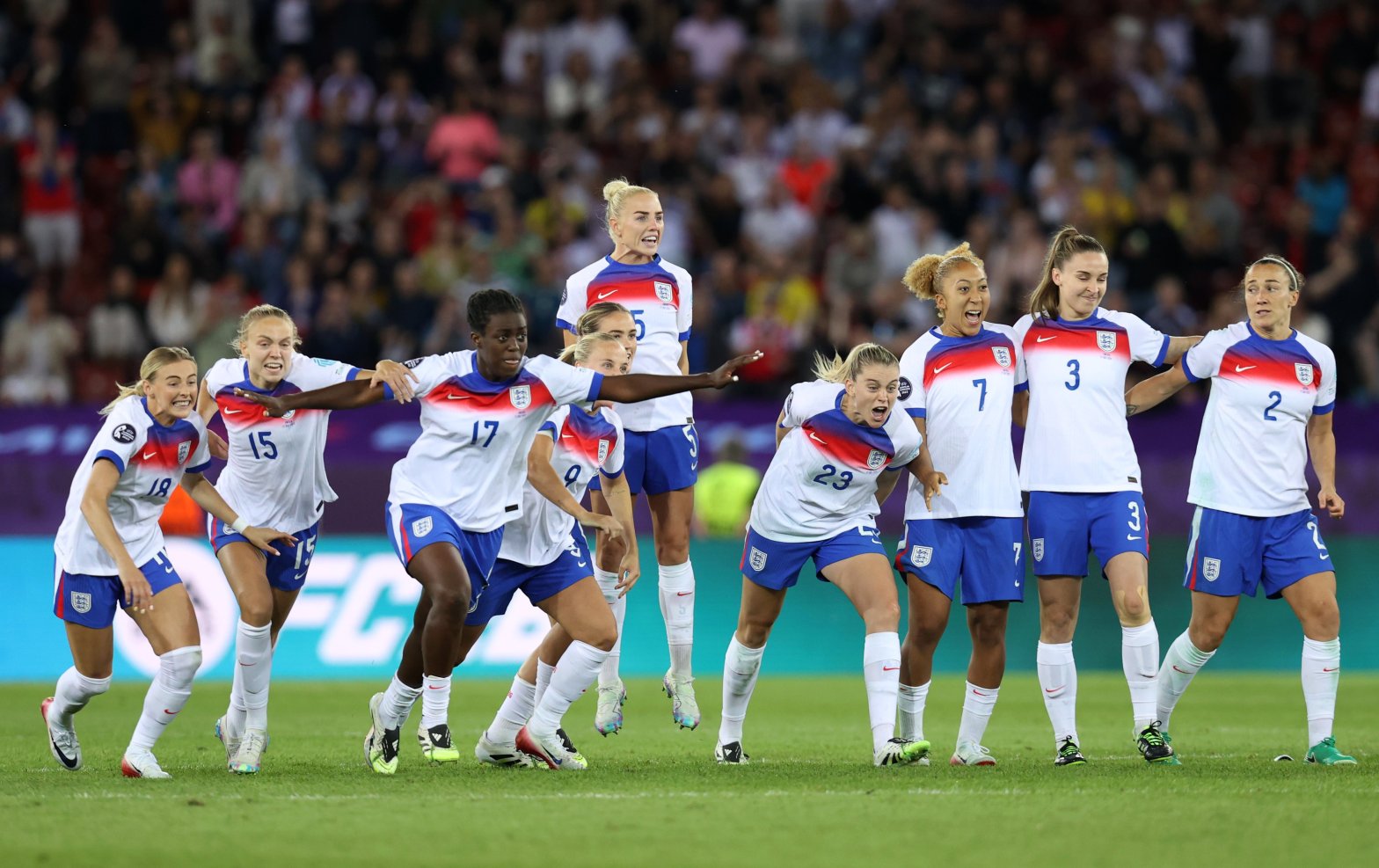
England started the penalty shootout, with Alessia Russo scoring England’s first penalty.  Filippa Angeldahl was unable to bring Sweden level, with Hampton saving her penalty kick.  Lauren James took the next spot-kick for England; however her effort was saved by Jennifer Falk. 

Mead, Alex Greenwood and Grace Clinton all had their penalties saved, whilst Zigiotti Olme scored for Sweden, but Magdalena Eriksson, Nathalie Bjӧrn, Falk and Sofia Jakobssen were not able to send Sweden through.  Kelly scored her penalty kick for England, before Bronze heroically sent her penalty into the roof of the net.  Holmberg then put her effort over the bar, sending England through to a third consecutive semi-final. 

Above: Lucy Bronze celebrates. Photo: Lionesses on X.

England will face Italy on Tuesday 22nd July at 20:00 BST. 

TEAMS: SWEDEN (4-3-3): Falk, Andersson, Eriksson, Björn, Lundkvist, Zigiotti Olme, Asllani (c), Angeldahl, Rolfö, Blackstenius, Rytting Kaneryd. Substitutes: Bennison, Blomqvist (on for Blackstenius 117’), Enblom, Holmberg (for Lundvist 61’), Holmgren, Hurtig (for Asllani 78’), Ilestedt, Jakobsson (for Rytting Kaneryd 105’), Janogy (for Rolfö 78’), Nildén (for Andersson 105’), Sembrant, Wangerheim.

ENGLAND (4-3-3): Hampton, Greenwood, Carter, Williamson (c), Bronze, Stanway, Walsh, Toone, Hemp, Russo, James. Substitutes: Agyemang (for Stanway 70’), Beever-Jones, Charles (on for Williamson 105’), Clinton (for Walsh 104’), Keating, Kelly (for Hemp 78’), Le Tissier, Mead (for Toone 70’), Moorhouse, Morgan (for Carter 70’), Park, Wubben-Moy.

Scorers: Asllani (2’), Blackstenius (24’), Bronze (79’), Agyemang (81’) 

Penalty scorers: Russo, Zigiotti Olme, Bjӧrn, Kelly, Bronze (2-3)

Referee: Marta Huerta De Aza 

Attendance: 22,397

Follow Impetus on social media –

Twitter (X): @impetusfootball TikTok: @impetusfootball 

Instagram: @impetusfootball 
Cristiana Girelli brace sees Italy clinch first semi-final in 28 years

Norway 1-2 Italy

By Gethin Thurlow

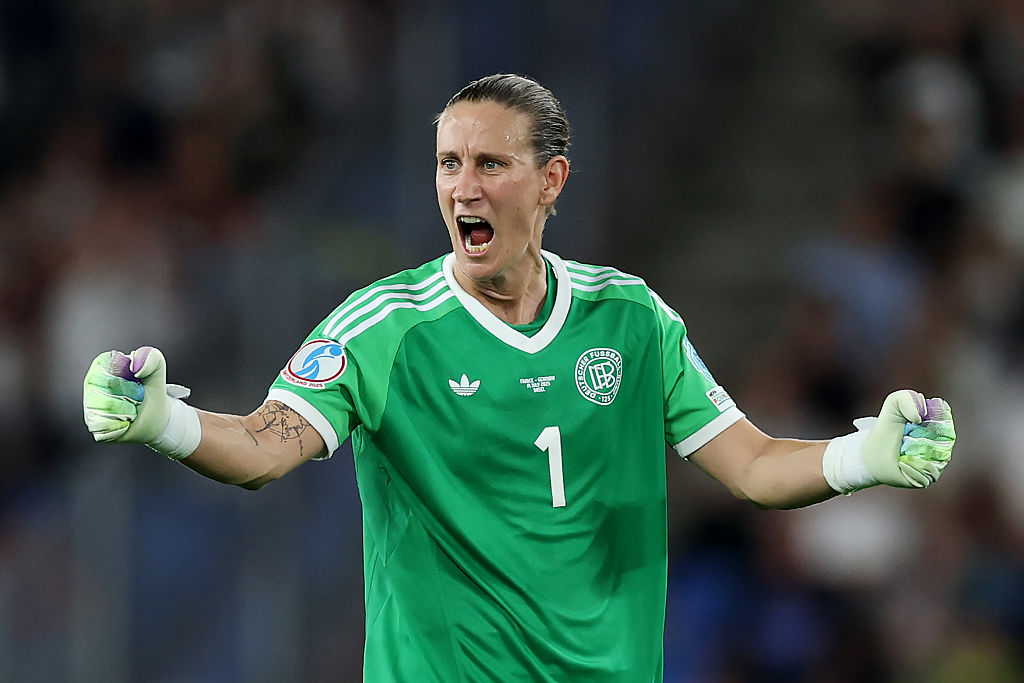
Above: Girelli heads Italy into the lead. Photo: Azzurri_En on X.

Italy beat Norway through a brace by captain Cristiana Girelli with the winner scored in stoppage time. The win sees Azzurri through to a first Women’s European Championship semi final since 1997.

Italy looked like a totally rejuvenated team compared to what we saw in the group stages. Having placed 15th in possession throughout the group stage, they played rings around a lacklustre Norway side, particularly having success down the right. Azzurri had a number of chances during the first 45 minutes, with Severini and Di Guglielmo hitting wide from inside the box.

Italy came out even more fired up and connected in the second half, with Girelli shooting into the bottom left corner to finally give them that deserved lead. Throughout the group stage, Norway relied on surviving through difficult periods then hitting back later, and this would come to fruition again.

Rather than pushing on for second, it seemed Italy were satisfied with a one goal lead and sat back, doing what they could to hold on. After Hegerberg put a penalty wide (that looked to have an offside in the build up anyway) she was played in by a long ball by Mjelde. Guiliani in the Italian goal hesitated and 2018 Ballon D’or winner Hegerberg had her redemption.

The entire rest of the game it always looked like Norway that would score the winner, yet Italy managed to hang on and the game looked like it was heading to extra time. Taking advantage of a lapse in concentration from Norway on the transition, Italy found themselves on the attack, and when Sofia Cantore put a well-weighted cross into the box, Girelli was on hand to head home once again.

Above: Girelli celebrates. Photo: FIFAWWC on X.

Italy go on to face the winner of England v Sweden. Given how well they competed with world champions Spain in the group stage, they are not to be taken for granted and will be the semi finalist with the least amount of pressure on them.

TEAMS: NORWAY (4-3-3): Fiskerstrand, Bjelde, Mjelde, T Hansen, Reiten, Naalsund, Engen, Maanum, Graham Hansen, Hegerberg (c), Gaupset. Substitutes: Terland (for Maanum 64’), Woldvik (for Bjelde 87’), Panengstuen, Mikalsen, Ostenstad, Harviken, Bizet, Kielland, Boe Risa, Saevik, Jensen.

Scorers: Hegerberg 66’

ITALY (4-2-3-1): Guiliani, Oliviero, Salvai, Linari, Di Guglielmo, Caruso, Giugliano, Severini, Bonansea, Girelli (c), Cantore. Substitutes: Greggi (for Severini 77’), Cambiaghi (for Bonansea 77’), Piemonte (for Girelli 92’), Lenzini (for Cantore 92’), Baldi, Durante, Piga, Boattin, Bergamaschi, Serturini, Schatzer, Goldoni.

Scorers: Girelli 50’,90’

Attendance: 26,276

Referee: Stephanie Frapport (Fra)

Follow Impetus on social media –

Twitter (X): @impetusfootball TikTok: @impetusfootball 

Instagram: @impetusfootball